
Blog
Blog
-
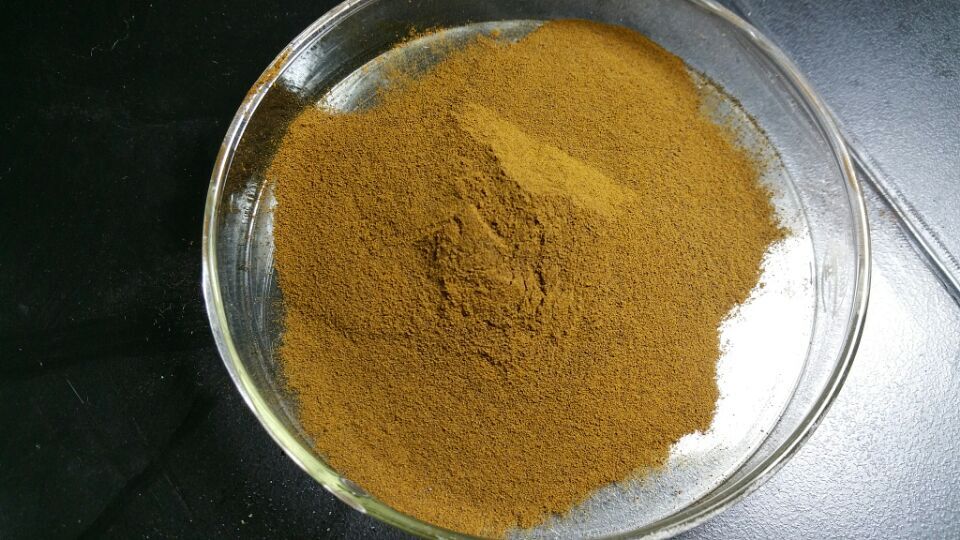
Sodium Lignosulfonate from Sulfite Pulp 2
.
Lignin content is usually 70%–75%, with the remaining mass being carbohydrate, ash, and inorganic salts. Further commercial and biorefinery utilization requires the removal of sulfur, which would add cost…
-
Sodium Lignosulfonate from Sulfite Pulp
.
The sulfite process is also used by the paper and pulp industry for producing lignosulfonates. The pulping solution employs salts of sulfurous acid, either salts of sulfites (SO32 −), or bisulfites (HSO32 −). The…
-

sodium lignosulfonate as dispersant of coal water slurry
.
In order to use lignosulfonates (a by-product of pulp and paper processes) as an effective dispersant of coal water slurry five purified sodium lignosulfonate (SL) samples with different molecular…
-
Molacular Weight Decide Lignosulfonate Dispensing Capability
.
The three purified Sodium lignosufonate fractions with different molecularweights were obtained using ultrafiltration. With theincrease in molecular weight, the content of phenolichydroxyl group, sulfonic acid group, and carboxyl groupdecreases,…
-
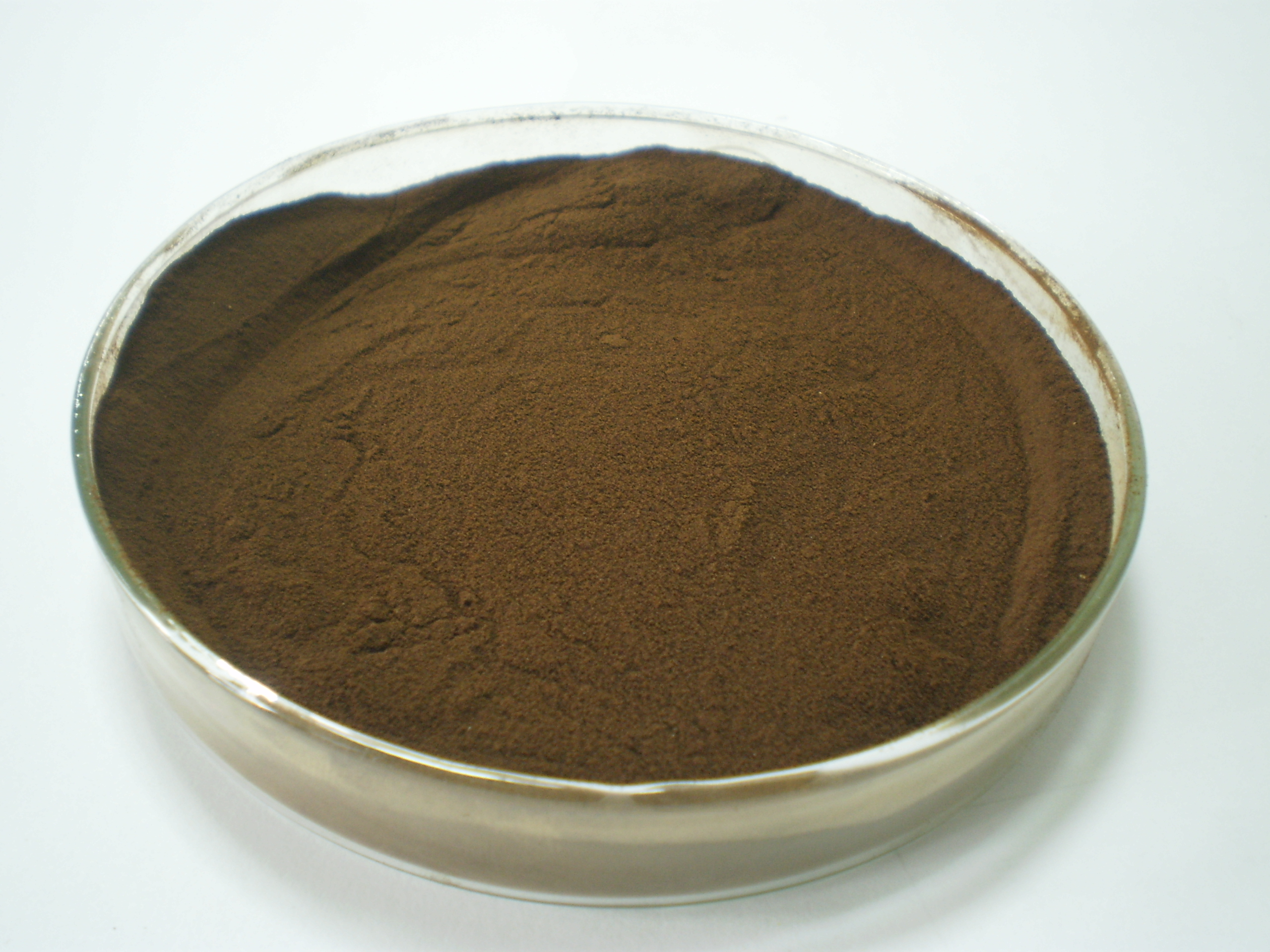
Effect of SL on Dyestuff Reduction and Dyeing Properties
.
The content of catechol of Sodium lignosulfonate with different molecularweights is different based on the different content of hydrophilic functional groups, which would affect the reductionof SL on dyestuff…
-
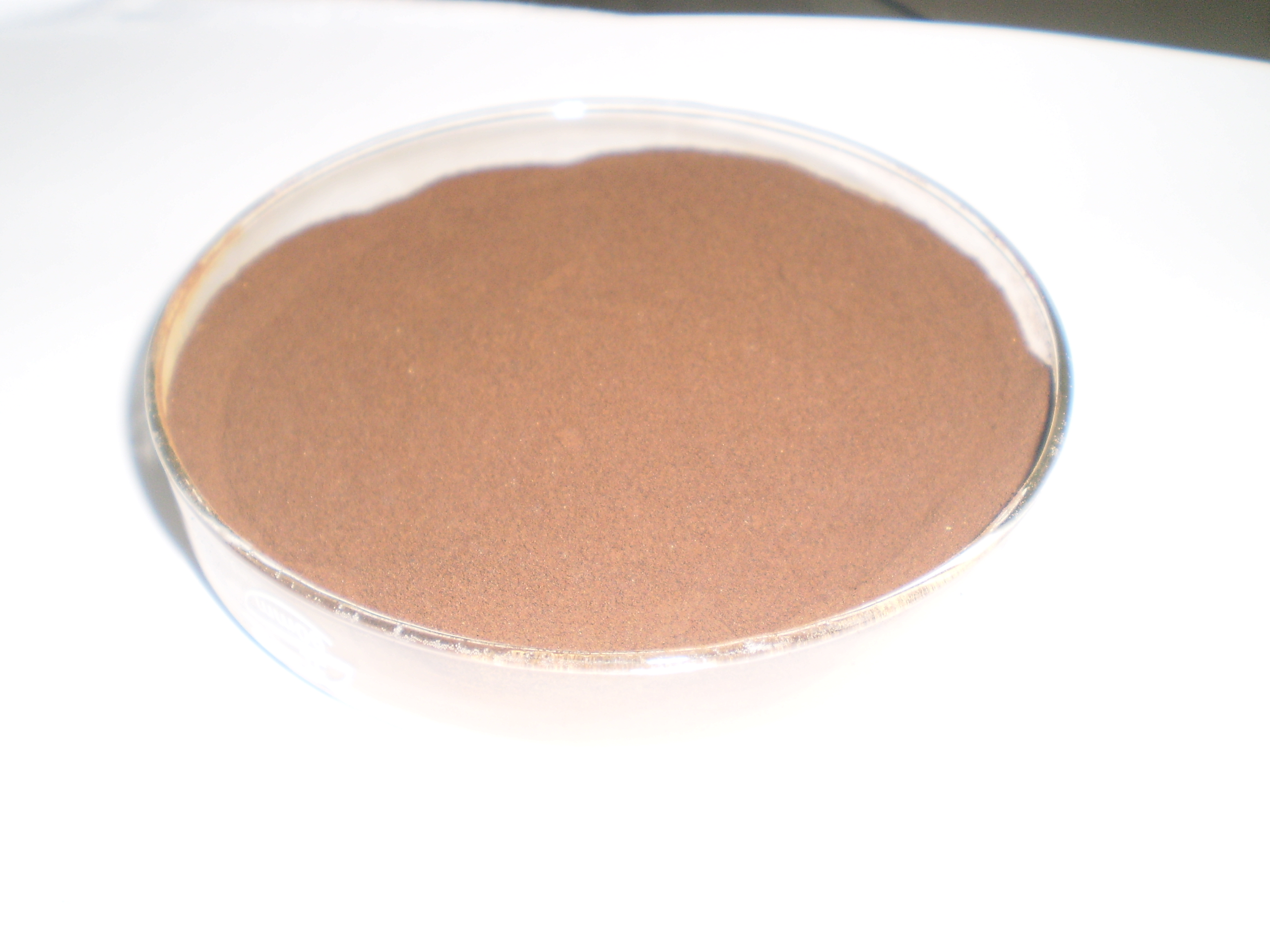
Effect of Sodium lignosulfonate on Fiber Staining
.
What Is sodium lignosulfonate and Its Role in Textiles? sodium lignosulfonate (SL) is a water-soluble compound derived as a byproduct from the paper and pulp industry. In textile processing,…
.