1. Renewable and Sustainable Source
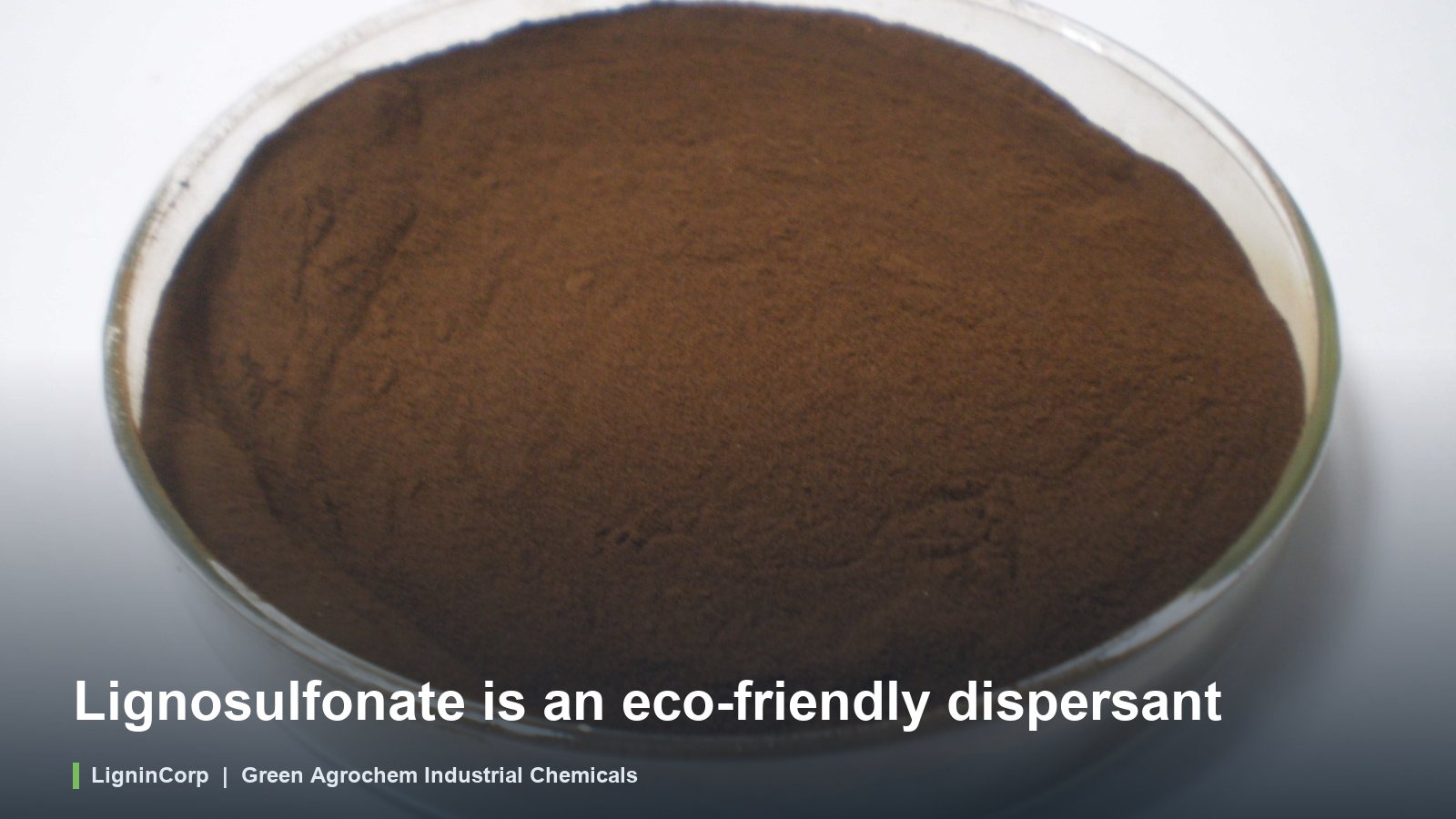
Lignosulfonates come from lignin, which is one of the most abundant organic polymers on Earth, found in the woody parts of plants. Trees and other lignocellulosic plants are renewable resources, and the extraction of lignin occurs as part of an industrial process that utilizes wood for paper production. By repurposing lignin into lignosulfonates, industries make use of a naturally occurring material that would otherwise go underutilized, aligning with sustainable resource management principles. This reliance on a renewable raw material reduces dependency on non-renewable, petroleum-based chemicals commonly used in synthetic dispersants.
2. Biodegradability
3. Low Toxicity and Safety
4. Waste Utilization and Circular Economy
The production of lignosulfonates exemplifies waste valorization, as they are derived from a byproduct of the sulfite pulping process. In the paper industry, lignin is separated from cellulose during pulping, and instead of being discarded or burned, it is converted into lignosulfonates for commercial use. This approach reduces waste, lowers the environmental footprint of the pulping process, and supports a circular economy by transforming a byproduct into a valuable product. By utilizing what would otherwise be waste, lignosulfonates contribute to more sustainable industrial practices.
5. Versatile and Effective Applications
Lignosulfonates serve as dispersants in a wide range of industries, offering an eco-friendly alternative to synthetic chemicals. Some key applications include:
- Construction: In concrete production, lignosulfonates act as plasticizers, improving workability and reducing water content, which enhances the strength and durability of concrete. This allows for more efficient use of resources and lower energy consumption during mixing.
- Dye and Pigment Industries: They stabilize dye solutions, ensuring consistent application and reducing waste in textile manufacturing.
- Water Treatment: Lignosulfonates aid in dispersing contaminants, facilitating cleaner water treatment processes without introducing harmful substances.
By replacing synthetic dispersants in these applications, lignosulfonates help industries reduce their reliance on environmentally damaging chemicals, contributing to greener production processes.
6. Energy and Resource Efficiency
Considerations and Limitations
While lignosulfonates are generally eco-friendly, their environmental impact depends on how they are produced and used. The sulfite pulping process involves chemicals like sulfur dioxide or sulfites, which, if not properly managed, can generate pollutants. Modern production facilities typically employ strict environmental controls to mitigate these risks, but the sustainability of lignosulfonates is tied to responsible manufacturing practices. Additionally, in certain applications, such as high-performance concrete, lignosulfonates may be less effective than synthetic superplasticizers, which could limit their use in some contexts. However, ongoing research and modifications to lignosulfonate formulations are improving their performance, making them increasingly competitive.
