
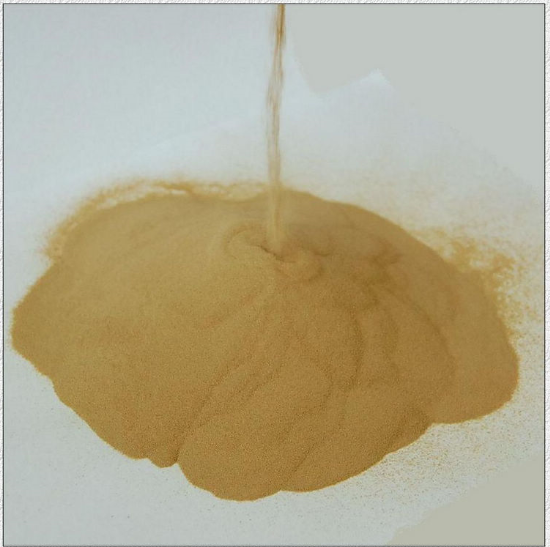
Sodium Naphthalene Formaldehyde (SNF), also called poly naphthalene sulfonate (PNS), is an anionic condensation-product family used as a concrete water-reducing admixture and cement dispersant. LigninCorp supplies SNF grades for concrete-admixture formulation, dry-mix construction chemicals and selected cement systems.
Grade selection should be based on the current TDS, SDS, lot-specific COA and testing with the buyer’s cementitious materials. This page describes the product family and qualification process; it does not substitute for the specification issued with a quotation.
Product identification
| Product family | Sodium naphthalene sulfonate-formaldehyde condensate (SNF/PNS) |
|---|---|
| Typical supplied forms | Powder or liquid, subject to the confirmed grade |
| Primary function | Concrete water reducer and cement dispersant |
| Primary markets | Concrete admixtures, dry-mix construction chemicals and qualified cement systems |
| Qualification documents | Current TDS, SDS, quotation specification and lot-specific COA |
Our SNF superplasticizer grades are supplied under CAS 36290-04-7 (HS 3824401000). Confirm the complete chemical description and any applicable identifier on the SDS for the exact supplied grade. Do not assume that all materials sold as naphthalene sulfonate, NNO, NSF, SNF or PNS are interchangeable.
How SNF disperses cementitious particles
SNF can adsorb on cement-particle surfaces. Its anionic sulfonate groups contribute surface charge and electrostatic repulsion, reducing part of the flocculation present in an untreated paste. Water held within agglomerates can then contribute more effectively to flow.
The practical response depends on cement chemistry and fineness, sulfate balance, supplementary cementitious materials, aggregate fines, temperature, water quality, mixing sequence and other admixtures. Compare performance in the intended mix rather than relying on a universal water-reduction or strength claim.
Grade-control parameters
Depending on the supplied grade, purchase specifications may address solids or moisture basis, pH, sodium sulfate, chloride, water-insoluble matter, density for liquids and a defined cement-paste or concrete performance method. Limits, ranges and typical values must come from the current TDS, quotation and COA, with their units, basis and test methods.
Do not copy a specification table from another supplier or an earlier web version. Ask whether a value is a binding acceptance limit, a typical result or application data generated under specific conditions.
Current grades
| Grade | Sodium sulfate (Na2SO4) | Chloride (Cl–) | Cement paste fluidity | Solids | pH |
|---|---|---|---|---|---|
| SNF-5 (GAC-SNF-5) | 5% max | 0.4% max | 220 mm min | 91% min | 7 – 9 |
| SNF-10 (GAC-SNF-10) | 10% max | 0.4% max | 220 mm min | 91% min | 7 – 9 |
| SNF-18 (GAC-SNF-18) | 18% max | 0.5% max | 210 mm min | 91% min | 7 – 9 |
| SNF-20 (GAC-SNF-20) | 20% max | 0.5% max | 210 mm min | 91% min | 7 – 9 |
| Powder Grade, high solids (GAC-SNF-P) | 10% max | Below 200 ppm | Not listed | 95% min | 6.5 – 8.5 (1:10) |
Concrete test data (SNF-5 TDS)
| Test in concrete | Age | TDS criterion | Reported result (SNF-5) |
|---|---|---|---|
| Water reduction | — | 14% min | 17% |
| Bleeding (water penetration) ratio | — | 90% max | 80% |
| Air content | — | 3.0% max | 2.0% |
| Compressive strength ratio | 1 d | 140% min | 165% |
| Compressive strength ratio | 3 d | 130% min | 155% |
| Compressive strength ratio | 7 d | 125% min | 135% |
| Compressive strength ratio | 28 d | 120% min | 130% |
| Shrinkage ratio | 28 d | 135% max | 87% |
Concrete and cement applications
- Ready-mix concrete: evaluate initial workability, retention and robustness under the expected delivery conditions.
- Precast concrete: qualify flow, air, setting, surface finish and strength using plant materials and curing.
- Dry-mix products: assess dispersibility, water demand, open time, consistency and compatibility in the complete formulation.
- Mortar and grout: verify flow, bleeding, segregation, setting and mechanical requirements.
- Selected oil-well cement systems: use application-specific temperature, pressure, rheology, thickening-time and fluid-loss tests.
Supplier-recommended starting trial range
The current SNF TDS gives a supplier-recommended starting trial range of 0.5–1.0% powder by weight of cementitious material, with 0.75% as the first trial point. Confirm whether your own specification uses as-supplied product or dry solids.
Run a dosage series around the supplier starting range. Determine the production dosage from water demand, flow or slump, retention, air, bleeding, segregation, setting and strength results. A value used with one cement should not be transferred automatically to another.
Recommended qualification program
- Review the current TDS, SDS, representative COA and quotation specification.
- Record cement source, supplementary materials, aggregates, water, admixtures and target performance.
- Prepare an untreated or approved-product control under the same mixing and temperature conditions.
- Test the supplier-recommended starting range and appropriate bracketing points.
- Measure fresh properties, retention, setting and strength using the required standards.
- Repeat the selected condition with production materials and plant equipment before approval.
Compatibility and addition sequence
Check SNF with the complete admixture system, including air entrainers, retarders, accelerators, defoamers, PCEs or other dispersants. Pre-dissolution, delayed addition and simultaneous addition may produce different results. Record the validated sequence so laboratory and production work are comparable.
Grade selection and technical resources
Available grade pages include the SNF 5% sodium sulfate grade, the SNF sodium sulfate grade and the SNF 20% sodium sulfate grade. Grade names do not replace the current product specification. Data sheets: SNF-5 TDS, SNF-18 TDS, SNF-20 TDS (PDF).
For mechanism and mix testing, see the SNF water-reducing agent trial guide. For quotation comparison, see the SNF price and RFQ guide.
Packaging, storage and documentation
Powder grades are packed in 25 kg woven bags or 500–600 kg jumbo bags; shelf life is typically 12 months in the original packaging under dry conditions. Final packaging and terms depend on the confirmed grade and quotation. Follow the current SDS and supplier instructions. Protect powder from moisture and liquids from contamination or unsuitable temperature. Inspect and requalify material if its condition changes.
Frequently asked questions
What is sodium naphthalene formaldehyde?
Sodium naphthalene sulfonate formaldehyde condensate (SNF, also PNS or NSF), a brown powder used as a high-range water reducer for concrete and as a cement dispersant.
Which SNF grade should I choose?
Grades differ mainly in sodium sulfate: SNF-5 (5% max), SNF-10, SNF-18 and SNF-20 (20% max). Low-sulfate grades suit liquid admixtures; higher-sulfate grades are used for direct powder dosing.
Is SNF available as a liquid?
SNF is supplied mainly as powder. Liquid admixtures are usually made by dissolving a low-sulfate grade; ask us if you need a liquid product.
What is the chemical name of SNF?
Sodium naphthalene sulfonate formaldehyde condensate; CAS 36290-04-7 for our superplasticizer grades.
Request TDS, COA, sample or quotation
Send the application, cementitious-material information, required standard, target performance, grade preference, trial quantity, annual demand, packaging and destination to info@greenagrochem.com. LigninCorp will match the enquiry to the appropriate documentation and sample.