Industrial Chemicals Division · LigninCorp
Calcium Lignosulfonate Powder · CAS 8061-52-7
Calcium lignosulfonate (CAS 8061-52-7) is a water-soluble, lignin-based binder and dispersant used in concrete admixtures, mineral and coal binding, ceramics, dust control and industrial dispersion. It is also written as calcium lignosulphonate, calcium lignin sulfonate or, in French, lignosulfonate de calcium.
LigninCorp supplies three standard grades (GAC-CaLS-1, -2 and -3) plus application grades for construction, dust control, dispersion and emulsification. Every grade comes with a TDS and MSDS, and each shipment with a batch COA.
Looking for an overview of calcium lignosulfonate across industrial, agricultural and feed grades? See the calcium lignosulfonate product overview on greenagrochem.com.

Calcium Lignosulfonate Specifications
Typical values from the current technical data sheets. Batch results are stated on the COA supplied with each shipment.
| Parameter | Grade One | Grade Two | Grade Three |
|---|---|---|---|
| Product code | GAC-CaLS-1 | GAC-CaLS-2 | GAC-CaLS-3 |
| Appearance | Light yellow-brown powder | Dark brown powder | Yellow-brown powder |
| pH | — | 7 – 9 (10% solution) | Around 6 |
| Dry matter | 95% min | 95% min | 95% min |
| Moisture | 5% max | 5% max | 5% max |
| Water-insoluble matter | 1.5% max | 2% max | 0.5% max |
| Lignosulfonate content (dry basis) | 55% min | 50% min | 50% min |
| Sulphate | 2% min | 2% min | 2 – 5% |
| Total calcium & magnesium | 5 – 8% | 5 – 8% | 5 – 6% |
| Sugar | 9 – 10% | 9 – 12% | 10 – 12% |
| Reducing sugar / reducing matter | Reducing sugar around 7% | Reducing sugar around 7% | Reducing matter 18 – 20% |
| Ash | 12% max | — | — |
Grade One: highest lignosulfonate content. Grade Two: general-purpose grade. Grade Three: lowest water-insoluble matter and high reducing matter.
Calcium Lignosulfonate Powder or Liquid?
The powder grades above are spray-dried to 95% min dry matter. A liquid calcium lignosulfonate is also available for plants that dose from tanks and want to skip dissolving. Compare the two forms on the same dry basis: the liquid carries about half its weight as water.
| Item | Powder (GAC-CaLS-1 / -2 / -3) | Liquid calcium lignosulfonate |
|---|---|---|
| Appearance | Light yellow-brown to dark brown powder | Black liquid |
| Dry matter / solid content | 95% min | 45% min |
| Lignosulfonate content (dry basis) | 50 – 55% min by grade | 45% min |
| Water-insoluble matter | 0.5 – 2% max by grade | 2% max |
| pH | By grade (see table above) | Around 5.0 |
| Packing | 20 / 25 kg bags or 500 kg / 600 kg jumbo bags | Flexitank or IBC tote |
| Shelf life | 24 months, unopened | 12 months; protect from freezing |
Liquid values from the liquid calcium lignosulfonate TDS. Powder is usually cheaper to ship over long distances; liquid suits on-site tank dosing. More detail: calcium lignosulfonate liquid.
Application Grades
For specific uses we supply grades with their own specification and data sheet.
Construction Grade
Water reducer and set retarder for ready-mix concrete, precast and mortar. Typical dosage 0.20–0.30% by weight of cement.
Dust Control Grade
Chloride-free binder for unpaved roads, mining haul roads, yards and stockpiles.
Dust Control Liquid
Ready-to-dilute liquid for spray application on roads and bulk materials.
Dispersant Grade
Low-molecular-weight grade for pigments, fillers, ceramics and drilling fluids. Typical dosage 0.1–1% of material weight.
Emulsifier Grade
Emulsifying and spreading aid for agricultural spray formulations.
Feed & Agriculture
Feed-binder grades are supplied by LigninChina; agricultural grades by ChinaLignin.
Where It Is Used
Calcium lignosulfonate is used in concrete and cement, mineral and coal binding, ceramics and refractories, dust control, drilling mud and water-based dispersion. It also serves as the organic part of lead-acid battery expanders for negative plates and as one of the water-based foundry sand binders for cores and moulds. For which grade to choose in each application, see calcium lignosulfonate uses and grade selection.
Calcium Lignosulfonate Price
Price depends on grade and lignosulfonate content, order quantity, packaging (25 kg bags or jumbo bags) and destination port. Send these details and we will quote with the current TDS.
Packaging & Shipping
20 kg or 25 kg woven bags with a polyethylene liner, or 500 kg / 600 kg jumbo bags. Bags can be palletized to the customer’s requirements, and packing and loading are checked before each shipment. Shelf life is 24 months in the original unopened packaging, stored dry.
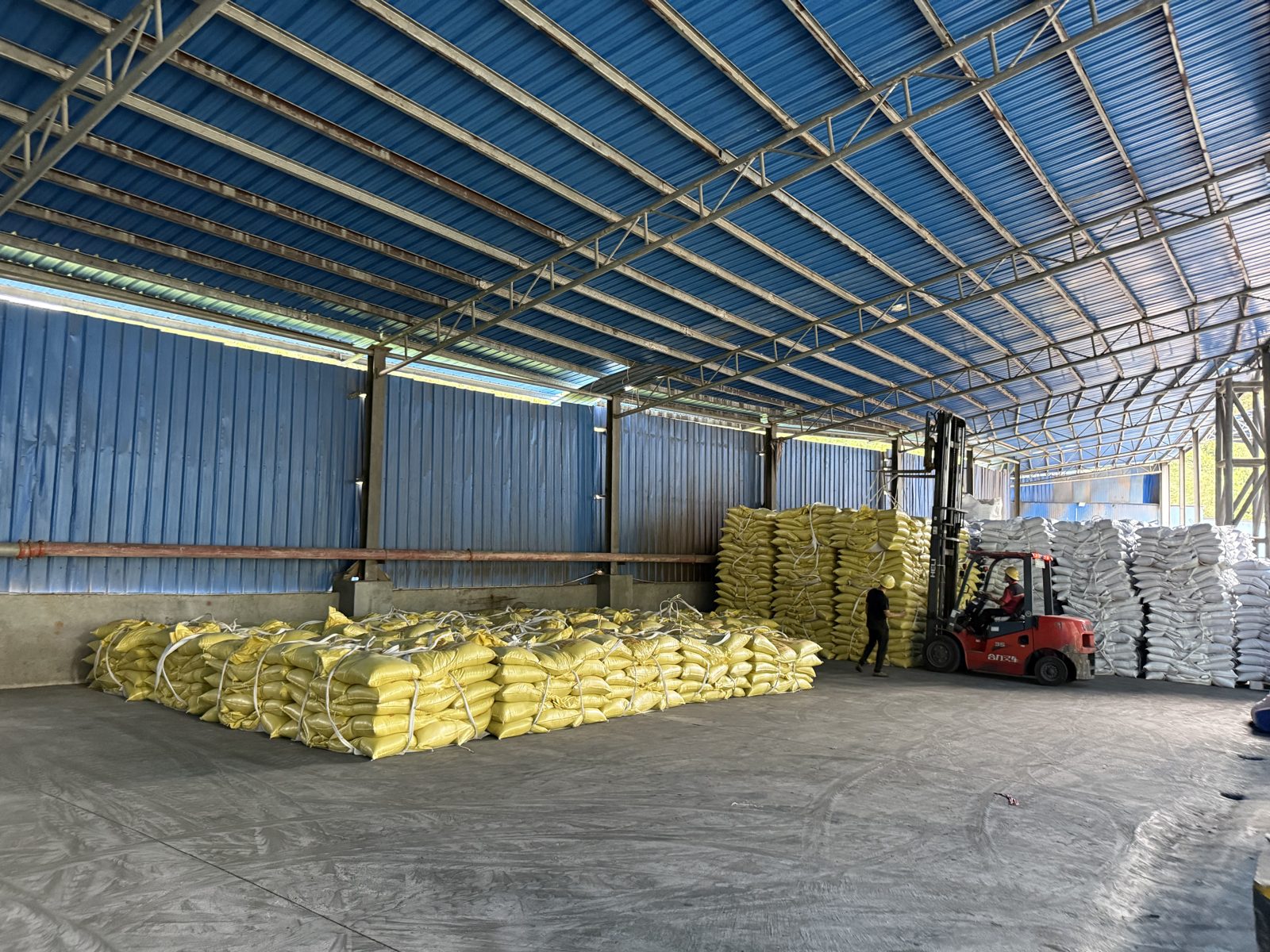

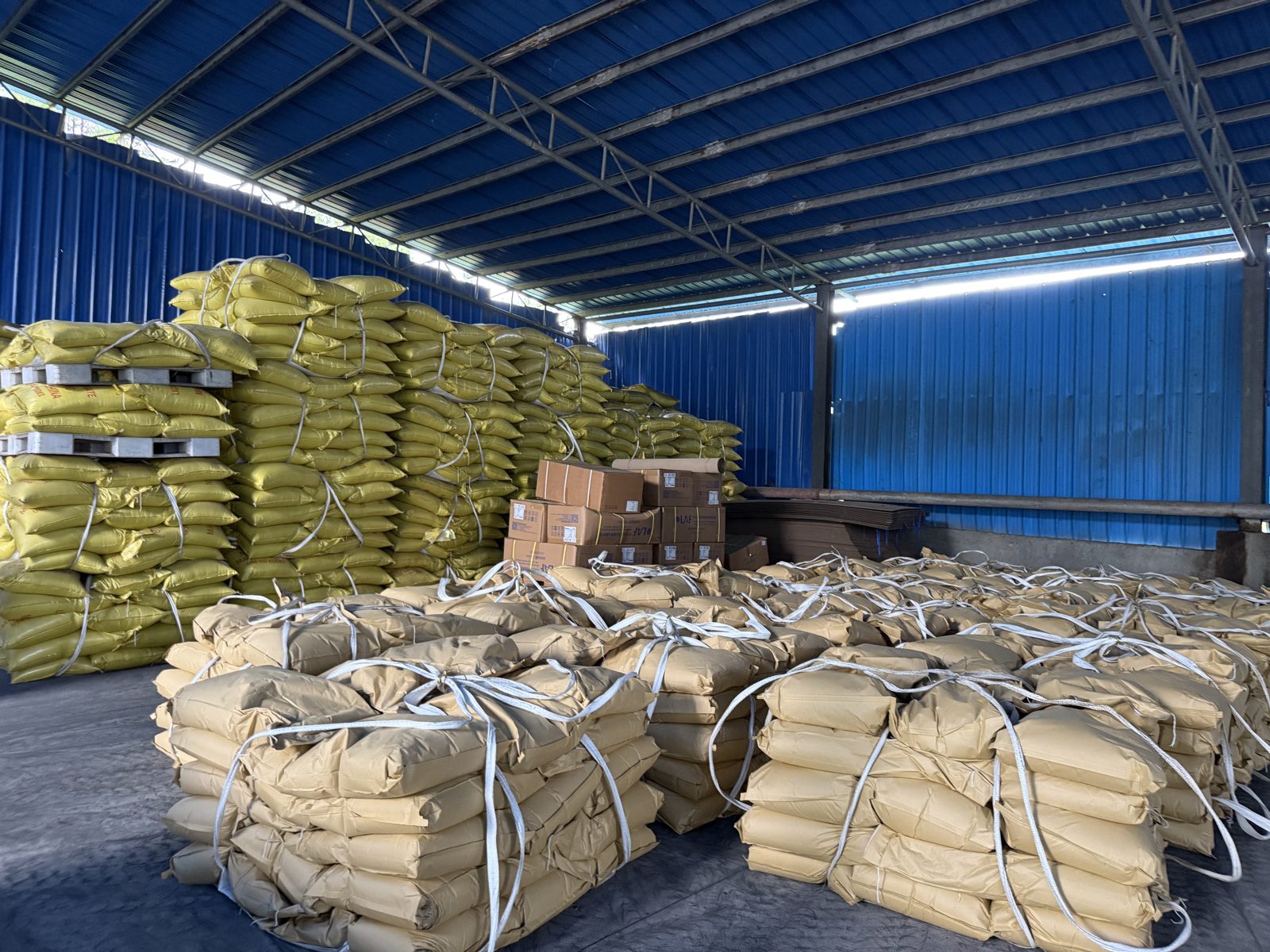
More photos: packaging and loading.
TDS & MSDS Downloads
- Grade One (GAC-CaLS-1) — TDS
- Grade One (GAC-CaLS-1) — MSDS
- Grade Two (GAC-CaLS-2) — TDS
- Grade Two (GAC-CaLS-2) — MSDS
- Grade Three (GAC-CaLS-3) — TDS
- Grade Three (GAC-CaLS-3) — MSDS
A COA is supplied with every shipment. Data sheets for application grades are on each grade page and in the download center.
Calcium Lignosulfonate FAQ
What is calcium lignosulfonate?
Calcium lignosulfonate (CAS 8061-52-7) is the calcium salt of lignosulfonic acid, recovered from the sulfite pulping of wood. It is a water-soluble, yellow-brown powder whose sulfonate and carboxyl groups give it binding, dispersing and mild water-reducing properties.
What is calcium lignosulfonate used for?
Main uses are concrete and mortar water reduction, binding of mineral and coal fines, ceramic body binding, dust control on unpaved roads, dispersion of pigments and pesticides, and drilling mud viscosity control. Feed-binder and agricultural grades are supplied through our sister divisions.
Which grade should I choose?
Grade One has the highest lignosulfonate content (55% min, dry basis) and is the usual starting point for construction and high-performance binding. Grade Two is a general-purpose binder and dispersant. Grade Three has low water-insoluble matter (0.5% max) and is used for dust control, granulation and binder applications. A trial with your own materials confirms the choice.
What is the difference between calcium and sodium lignosulfonate?
Both are lignosulfonate salts with similar functions. Sodium lignosulfonate generally offers higher solubility and stronger dispersion, while calcium lignosulfonate is widely used as a binder and concrete water reducer. See our calcium vs sodium lignosulfonate comparison.
Is calcium lignosulfonate hazardous?
Our MSDS states that calcium lignosulfonate is not classified as hazardous under normal industrial handling based on available data. Fine powder can cause temporary mechanical irritation to eyes, skin and airways, so normal dust precautions apply. Download the MSDS above for full handling details.
How is calcium lignosulfonate packed and how long can it be stored?
Standard packing is 20 kg or 25 kg woven bags with a polyethylene liner, or 500 kg / 600 kg jumbo bags. Grades One to Three have a shelf life of 24 months from production in the original unopened packaging, stored dry.
What is CAS 8061-52-7?
CAS 8061-52-7 is the CAS registry number of lignosulfonic acid, calcium salt, the substance commonly sold as calcium lignosulfonate. The CAS number identifies the substance, not the grade, so a purchase order should also name the grade code (for example GAC-CaLS-1) and its TDS. The customs code we use is HS 3804.00.
Should I buy calcium lignosulfonate powder or liquid?
Powder (95% min dry matter) is easier to store and cheaper to ship over long distances. Liquid (45% min solids) avoids dissolving and suits plants that dose from tanks, but it ships about half its weight as water and has a 12-month shelf life. Compare offers on the same dry-matter basis.
Which documents come with an order?
Each grade has a TDS and an MSDS, available above, and every shipment comes with a batch COA. Export documents such as the commercial invoice, packing list and certificate of origin are prepared with the shipment.
How do I get a calcium lignosulfonate price?
Send the grade, quantity, packaging and destination port. We will reply with a quotation, the current TDS and a sample if needed.
Request Calcium Lignosulfonate
Tell us the application, grade, quantity, packaging and destination port. We will reply with a quotation, the TDS and a sample if needed.