
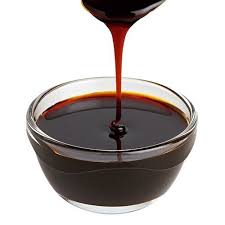
Liquid Sodium Lignosulfonate – Grade One (GAC-NaLS-L) is a black-brown, flowable lignosulfonate solution intended primarily for ceramic processing, casting-sand binder systems and fiberboard binder formulations. The liquid form can simplify pumping, metering and wet-process incorporation compared with dissolving a powder on site.
This page reflects Technical Data Sheet GAC-NaLS-L, Revision 2.0. The values below are typical production or product-reference values and do not replace the batch Certificate of Analysis (COA) or an agreed contractual specification.
Grade One product specification
| Parameter | TDS value |
|---|---|
| Product name | Liquid Sodium Lignosulfonate – Grade One |
| Product code | GAC-NaLS-L |
| Appearance | Black liquid |
| Solid content | 45% min |
| Water-insoluble matter | 1% max |
| Lignosulphonate content | 50% min |
| Reducing sugar | Around 7% |
| Density | 1.20-1.32 g/ml |
| pH value | 7.0-11.0 |
Important: pH 7.0-11.0 is the typical range for GAC-NaLS-L. Request the current COA when pH is a critical formulation parameter, and do not substitute another grade’s specification.
Primary application areas
Ceramic slips and pressed ceramic bodies
The product may contribute dispersing, lubricating and binding functions in clay-containing systems. A recommended laboratory trial range of 0.1-2.0% may be used for ceramic slips, with pressed-tile screening commonly beginning near 1%. The appropriate level depends on clay mineralogy, solids loading, water chemistry, mixing energy and firing schedule.
Measure slip viscosity, casting behavior, green strength, dry strength, drying shrinkage and fired appearance. Dark organic content may contribute to black-core defects if burnout and firing conditions are unsuitable; confirm the firing profile before production use. Strength gains vary with the clay and firing schedule.
Casting sand binder systems
Evaluate the grade as part of the complete sand-binder formulation. Confirm wet and dry handling strength, collapsibility, gas evolution, moisture sensitivity and compatibility with the selected sand and other binder components.
Fiberboard and resin formulations
The liquid can be screened as a binder component or formulation aid. Final suitability depends on resin chemistry, board furnish, moisture, press temperature and target emissions and mechanical properties. Production trials are required.
Pellet binding
The TDS lists fodder pellets among potential uses. Feed applications require separate confirmation that the offered grade, manufacturing controls and documentation comply with the intended species, market and local regulations. Contact the Green Agrochem Animal Nutrition Division before using this industrial Grade One product in feed.
Liquid Sodium Lignosulfonate Grades Compared
All liquid sodium grades are supplied at 45% min solids. They differ in pH, sugar and insoluble matter, which decides where each one fits.
| Grade | pH | Reducing sugar | Water-insoluble | Main use |
|---|---|---|---|---|
| Grade One (GAC-NaLS-L) | 7.0 – 11.0 | Around 7% | 1% max | Ceramics, casting sand, fiberboard binder |
| Grade Two (GAC-NaLS-L-2) | 9.0 – 13.0 | Around 4% | 2.5% max | Dispersant; binder for ore fines, coal, coke |
| Grade Three (GAC-NaLS-L-3) | 4.0 – 7.0 | Around 14% | 2.5% max | Binder where strong binding is needed; drilling mud thinner |
| Ceramics Grade (GAC-NaLS-L-1) | Around 9.0 | Around 4% | 2.5% max | Ceramic tile and refractory slips |
| Dust Control Grade (GAC-NaLS-DC-Liquid) | Not listed | Around 14% | Not listed | Road and industrial dust suppression |
Values from the Rev. 2.0 TDS of each grade. Density is 1.20 – 1.30 g/ml for Grades Two and Three, Ceramics and Dust Control, and 1.20 – 1.32 g/ml for Grade One.
Liquid or Powder?
The liquid avoids dissolving and suits plants that dose from tanks. Because a little over half of each tonne is water, compare offers on a dry-matter basis, and remember the 12-month shelf life against 24 months for powder. Powder grades are on the sodium lignosulfonate product page; handling differences are covered in liquid vs powder sodium lignosulfonate.
Packaging, storage and handling
| Packaging | IBC tote or flexitank |
| Storage | Keep in a cool, dry, well-ventilated area and protect from freezing. |
| Shelf life | 12 months from the date of manufacture under recommended storage conditions. |
| Handling | Avoid mist inhalation and eye or skin contact. Keep containers closed when not in use and follow the current SDS. |
Documents and purchasing information
Before qualification or purchase, request the current TDS, SDS, representative COA, packaging information and sample. Provide the intended application, required quantity, destination and any critical test method or acceptance limit.
Email info@greenagrochem.com for Grade One documentation and an application-specific trial recommendation.
Frequently Asked Questions
What is the solid content of liquid sodium lignosulfonate?
45% min for all our liquid sodium grades, with a density of about 1.20 – 1.32 g/ml.
Which liquid grade has 2.5% max insoluble matter?
Grades Two and Three and the Ceramics Grade list water-insoluble matter of 2.5% max. Grade One is lower, at 1% max.
How is liquid sodium lignosulfonate shipped?
In IBC totes or flexitanks; the Dust Control Grade can also go by tanker. Protect it from freezing.
How long does liquid sodium lignosulfonate keep?
12 months from the date of manufacture in sealed packing, stored cool and protected from freezing.