Calcium Lignosulfonate is a high-performance, organic polymer derived from wood pulp that serves as a natural chelating agent. In modern agriculture, it is a critical tool for managing soil chemistry, preventing mineral toxicity, and ensuring the bioavailability of essential micronutrients.
1. Soil Remediation: Chelating Excess Metal Ions
Calcium Lignosulfonate acts as a sophisticated soil conditioner by complexing with free metal ions. This is particularly vital in problematic soils where mineral imbalances hinder crop growth.
- Toxicity Prevention: It effectively sequesters excess Aluminum , Iron , and Manganese .
- Mechanism: By “locking” these ions into a chelated structure, it prevents them from reaching levels that are toxic to plant roots, thereby stabilizing the rhizosphere.
2. Precision Nutrient Management & Bioavailability
While it suppresses toxic elements, Calcium Lignosulfonate simultaneously enhances the uptake of vital minerals.
- Enhanced Solubility: It complexes with essential micronutrients like Zinc and Copper , keeping them in a soluble form that is easily absorbed by plant roots.
- Deficiency Correction: This organic chelation ensures that nutrients remain accessible even in challenging soil conditions, preventing “nutrient lockout” and boosting overall plant productivity.
3. High-Efficiency Foliar Applications
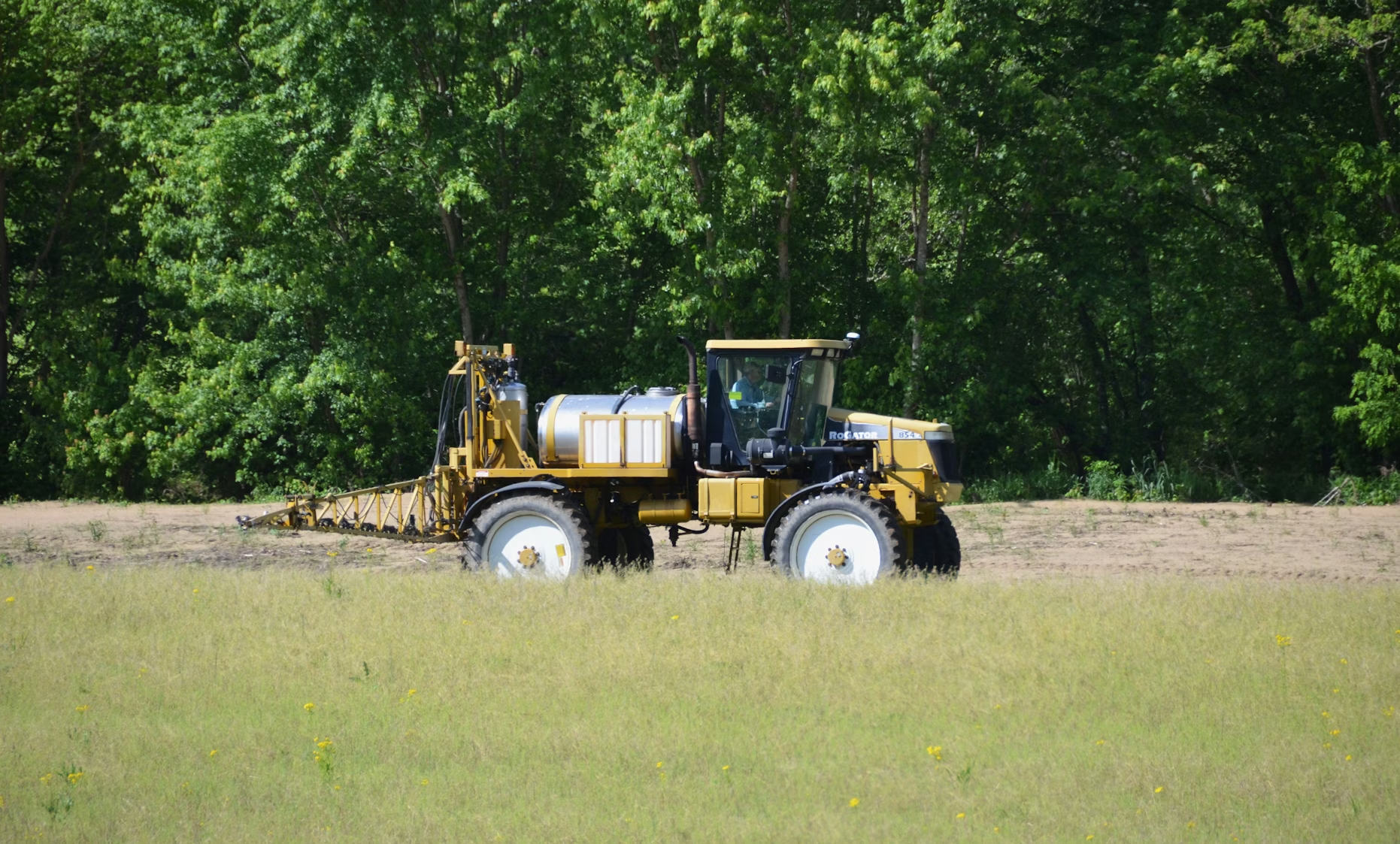
As a foliar spray, Calcium Lignosulfonate serves as an elite carrier for nutrient delivery directly through the leaf surface.
- Systemic Absorption: It facilitates the rapid penetration of micronutrients into the plant’s vascular system.
- Growth Season Support: This method is ideal for providing “emergency” nutrient boosts during peak vegetative or reproductive stages when soil uptake may be lagging.
4. Soil pH Stabilization and Buffering
The chemical properties of Calcium Lignosulfonate help maintain a balanced soil environment, specifically in acidic conditions.
- pH Balancing: In acidic soils, the addition of Calcium Lignosulfonate helps buffer the pH toward a neutral range (approx. 5.5–7.0).
- Optimal Performance: It is most chemically active in neutral to slightly alkaline conditions, making it a versatile tool for diverse geographic soil types.
Why Use Calcium Lignosulfonate?
The ability of Calcium Lignosulfonate to manage metal ions makes it a dual-action solution: it acts as a shield against mineral toxicity while serving as a bridge for nutrient delivery. This results in stronger root systems, improved metabolic health, and increased crop yields.
