Overview
Calcium lignosulfonate (C20H24CaO10S2, CAS No. 8061-52-7) is a natural, lignin-based polyelectrolyte used in organic agriculture to improve soil health, enhance plant growth, and control dust. Its eco-friendly and biodegradable properties align with organic farming standards, such as those set by USDA NOP or EU organic regulations.
Properties
- Chemical Structure: High molecular weight (1,000–250,000 Da, typically 10,000–40,000 Da) with sulfonic acid groups neutralized by calcium ions, providing binding, chelating, and dispersing capabilities.
- Physical Form: Light yellow to dark brown powder or liquid, water-soluble, with a pH of 3–11 in a 1:100 aqueous solution.
- Composition: Contains 5% calcium, 25–30% wood sugars, and low levels of sodium (0.17%) and ammonium (0.026%).
- Hygroscopic Nature: Retains moisture, aiding soil water retention and dust suppression.
- Environmental Profile: Biodegradable, non-toxic, and free of heavy metals, making it safe for organic systems.
Functions in Organic Crop Production
- Soil Conditioner:
- Improves soil structure by binding soil particles, enhancing aggregation, and reducing erosion.
- Increases water retention in sandy soils due to its hygroscopic properties, improving moisture availability for crops.
- Chelates micronutrients (e.g., iron, zinc), making them more bioavailable to plants.
- Plant Growth Enhancer:
- Supplies calcium, supporting cell wall development and plant vigor.
- Wood sugars (25–30%) provide a carbon source for soil microbes, stimulating microbial activity and nutrient cycling.
- May enhance root development and nutrient uptake by improving soil tilth and reducing compaction.
- Dust Suppressant:
- Controls dust on farm roads, fields, or during planting/harvesting, reducing respiratory risks and protecting crops from dust coating.
- Applied as a 10–25% aqueous solution at 0.5–2 liters/m².
- Pesticide/Fertilizer Carrier:
- Acts as a binding agent in organic pesticide or fertilizer formulations, improving adhesion to plant surfaces and reducing runoff.
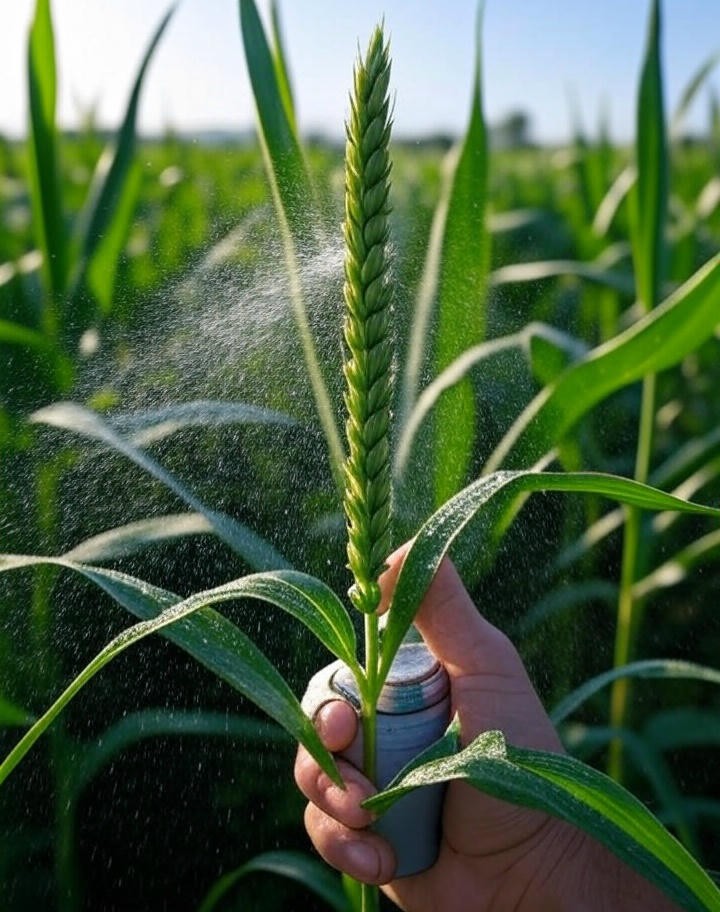
- Enhances the efficacy of foliar sprays by improving dispersion and sticking properties.
Applications
- Soil Application:
- Mixed into soil at 0.5–2% by weight or applied as a solution (5–10% concentration) to improve soil structure and nutrient availability.
- Used in compost production to enhance microbial activity and decomposition.
- Foliar Application:
- Sprayed on leaves (0.1–0.5% solution) to supply calcium and improve nutrient uptake, particularly in calcium-deficient crops like tomatoes or leafy greens.
- Dust Control:
- Applied to farm roads or fields during dry seasons to suppress dust, using water trucks or sprayers at 1–3% concentration.
- Crop Types:
- Suitable for organic vegetables, fruits, cereals, and legumes, especially in arid or sandy soils where water retention and erosion control are critical.
Benefits
- Organic Compliance: Approved for organic farming (e.g., USDA NOP, EU 834/2007) due to its natural origin and lack of synthetic additives.
- Soil Health: Enhances soil microbial activity, water retention, and nutrient availability, promoting sustainable farming.
- Cost-Effective: Derived from renewable lignin, it is an affordable alternative to synthetic soil amendments.
- Environmental Safety: Biodegradable, non-toxic, and safe for soil, water, and plant ecosystems.
- Versatility: Functions as a soil conditioner, nutrient enhancer, and dust suppressant, reducing the need for multiple products.
Limitations
- Limited Nutrient Content: Low in nitrogen, phosphorus, and potassium, so it must be paired with other organic fertilizers for complete nutrition.
- Performance: Less effective than synthetic chelators or polymers in high-intensity systems; efficacy depends on soil type and application rate.
- Reapplication: Dust control effects may diminish with heavy rain or traffic, requiring periodic reapplication.
- Sugar Content: High reducing sugar content (25–30%) may attract pests or cause stickiness in some applications.
Safety and Handling
- Storage: Store in dry, ventilated conditions in 25kg or 500kg bags to prevent moisture absorption and caking.
- Safety: Non-toxic but may cause mild skin/eye irritation or inhalation hazards as dust; use protective equipment as per MSDS.
- Regulatory: Chrome-free formulations are preferred to meet organic and environmental standards.
