“Pure lignin” usually means lignin with a high lignin content and low ash, sugars and sulfur. It is produced by separating lignin from a pulping or biorefinery stream and then purifying it. This page explains the steps and how purity is measured.
Production Steps (Kraft Example)
- Take black liquor from the kraft evaporation plant.
- Acidify it (commonly with carbon dioxide) so the lignin precipitates.
- Filter the precipitated lignin.
- Wash with acid and water to remove sodium and other inorganic salts, which lowers ash.
- Dry to a powder.
Further Purification
| Method | What it removes or improves |
|---|---|
| Extra acid washing | Ash and inorganic salts |
| Solvent fractionation | Separates fractions by molecular weight and purity |
| Membrane filtration | Removes low-molecular-weight impurities |
| Organosolv processing | Gives low-sulfur lignin from the start |
How Purity Is Measured
| Test | Purpose |
|---|---|
| Lignin content (e.g. Klason lignin) | Share of acid-insoluble lignin |
| Ash | Inorganic matter |
| Carbohydrates / reducing sugar | Residual sugars |
| Sulfur | Important for resins and fuels |
| Moisture | Water content |
Our Lignin
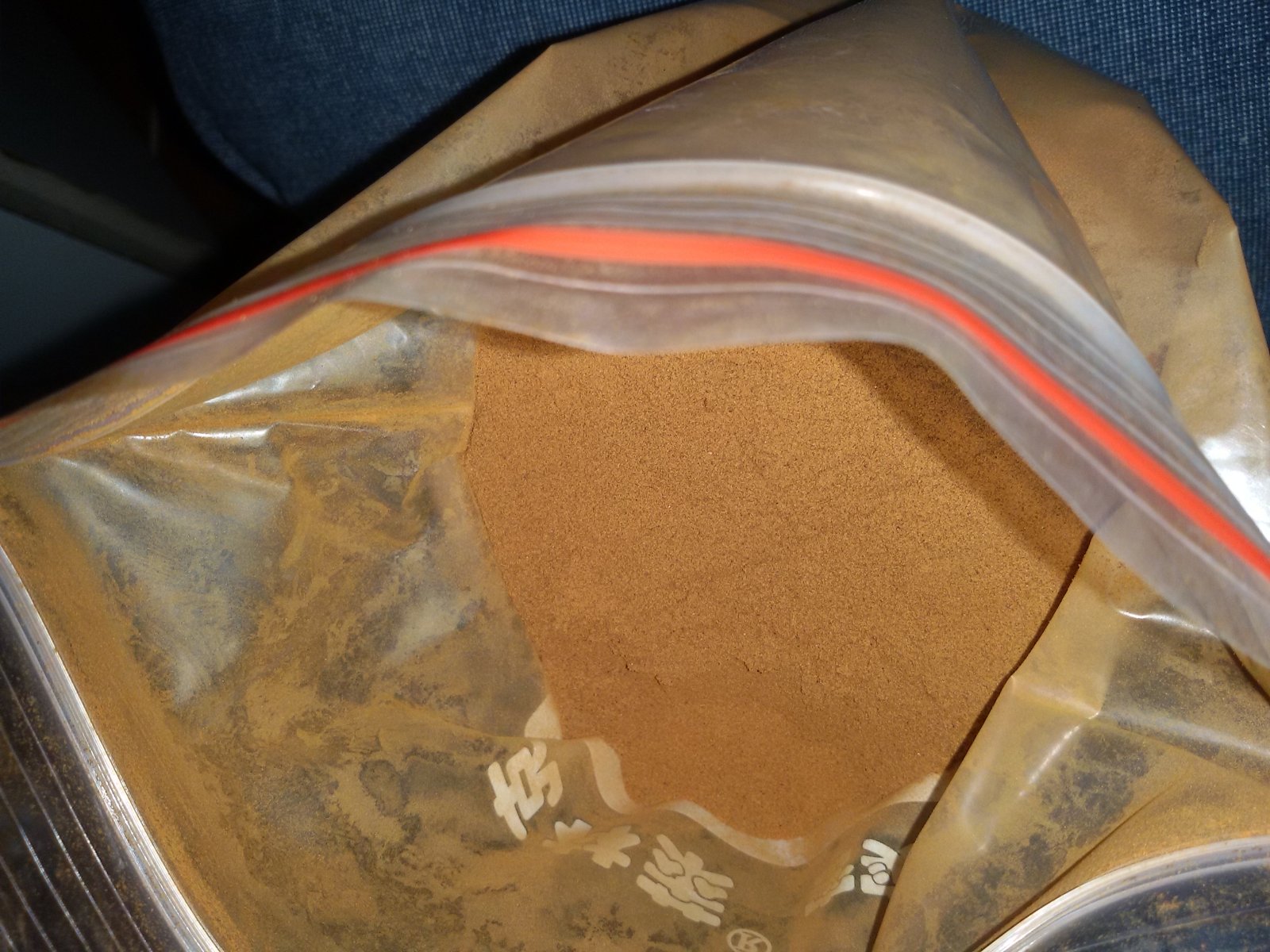
Our lignin is a black powder that does not dissolve in water, with 50% min lignin content, pH 4 – 6 and 0% reducing sugar (TDS Rev. 1.0). See LigninCorp lignin and lignin extraction methods.
Lignin Structure and Chemical Formula
Lignin has no single chemical formula. It is a cross-linked aromatic polymer built from three monolignols (phenylpropane alcohols). Each one gives a different unit in the polymer:
| Monolignol | Formula | Unit in lignin | Main source |
|---|---|---|---|
| p-Coumaryl alcohol | C9H10O2 | H (p-hydroxyphenyl) | Grasses (small share) |
| Coniferyl alcohol | C10H12O3 | G (guaiacyl) | Softwood: almost all G |
| Sinapyl alcohol | C11H14O4 | S (syringyl) | Hardwood: G + S |
The units are joined mainly by ether bonds, of which the β-O-4 bond is the most common, plus carbon–carbon bonds such as β-5 and 5-5. The ratio of H, G and S units and the type of bonds differ between softwood, hardwood and grasses, which is why lignin from different plants behaves differently in pulping and processing. For more detail see lignin chemical properties.
How Processing Changes the Structure
- Kraft lignin: partly broken down and condensed during kraft pulping; contains some sulfur; soluble only in alkali.
- Lignosulfonate: sulfonate groups are added during sulfite pulping, which makes it water-soluble. See is lignosulfonate soluble in water.
- Organosolv lignin: extracted with organic solvents; low in sulfur and closer to native lignin.
- Lignin powder: the dried, isolated product. Our lignin (GAC-L-Non-soluble) is a black, water-insoluble powder with 50% min lignin content.
Frequently Asked Questions
How is pure lignin produced?
By precipitating lignin from black liquor with acid, filtering it, washing it with acid and water to remove salts, and drying it; further fractionation raises purity.
How is lignin purity measured?
By lignin content (for example Klason lignin), ash, residual sugars, sulfur and moisture.
Is pure lignin soluble in water?
No. Lignin does not dissolve in water.
What is the chemical formula of lignin?
Lignin has no single formula. It is a polymer of three monolignols: p-coumaryl alcohol (C9H10O2), coniferyl alcohol (C10H12O3) and sinapyl alcohol (C11H14O4).
What is the structure of lignin?
A cross-linked aromatic polymer of H, G and S units joined mainly by β-O-4 ether bonds and some carbon–carbon bonds. Softwood lignin is almost all G units; hardwood lignin contains G and S units.
