
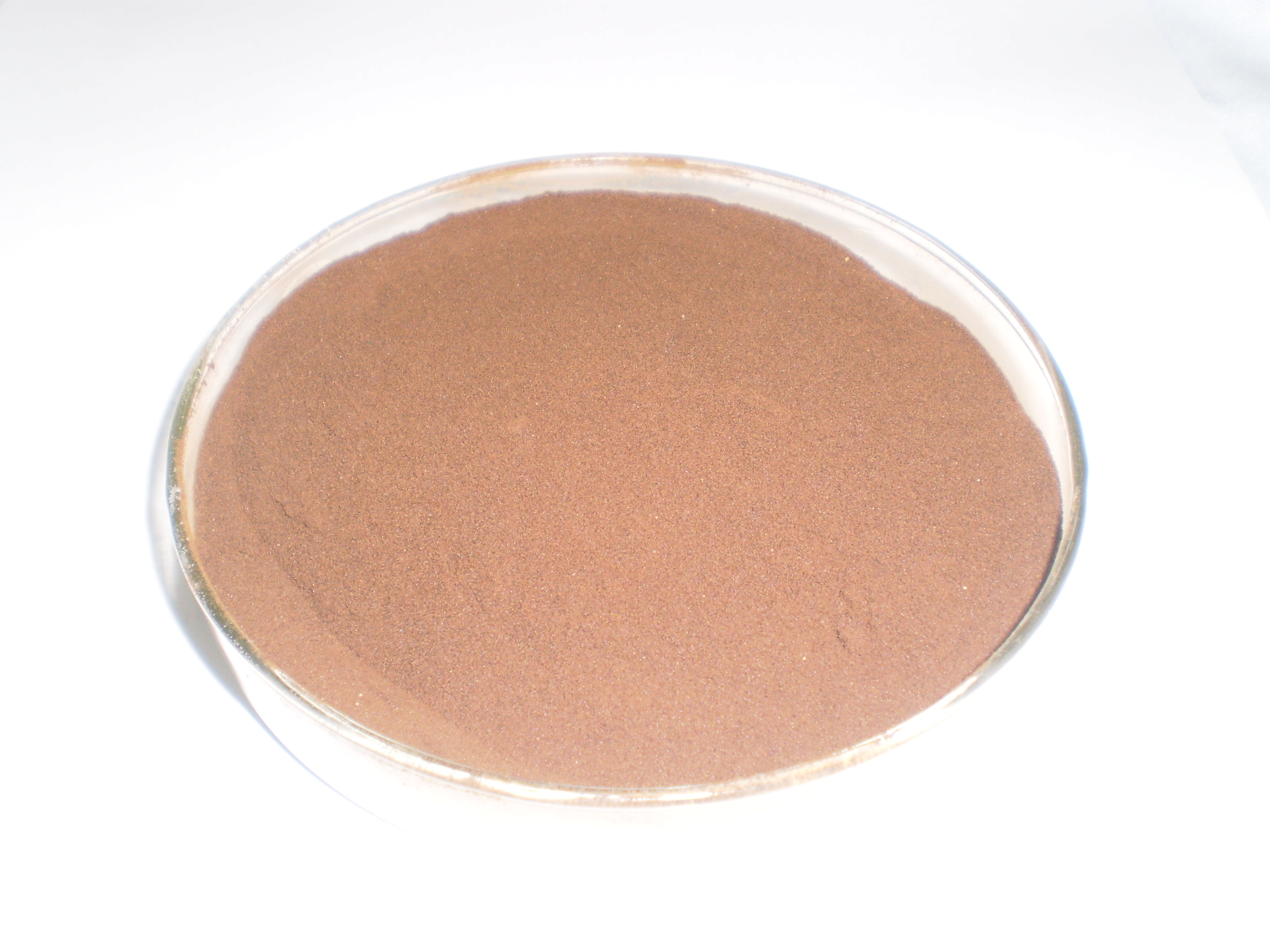
Lignosulfonate is lignin that has been chemically changed during sulfite pulping. The pulping chemicals break the lignin into smaller pieces and attach sulfonate groups, which turns a water-insoluble plant polymer into a water-soluble salt.
What Happens in the Sulfite Process
- Wood chips are cooked with a sulfite or bisulfite solution (made from sulfur dioxide and a base such as calcium, magnesium, sodium or ammonium).
- The cooking liquor attacks the lignin side chains, adds sulfonate (–SO3−) groups and breaks some of the bonds between lignin units.
- The sulfonated fragments dissolve in the cooking liquor, freeing the cellulose fibres for pulp.
- The spent liquor is concentrated and dried to give lignosulfonate powder or liquid. The base used in cooking becomes the counter-ion: calcium, sodium, magnesium or ammonium lignosulfonate.
Lignin vs Lignosulfonate at a Glance
| Property | Lignin (native or kraft) | Lignosulfonate |
|---|---|---|
| Water solubility | Insoluble (kraft: only in alkali) | Soluble at any pH |
| Charged groups | Few | Many sulfonate groups |
| Sulfur | None (native) or some (kraft) | Contains sulfonate sulfur |
| Typical form | Powder | Powder or liquid |
| Main uses | Resins, fuels, research | Concrete admixtures, binders, dispersants, dust control |
More detail: is lignosulfonate soluble in water and lignin and sulfonated lignin.
| Grade | Lignosulfonate content | Water-insoluble | Other key values |
|---|---|---|---|
| Sodium lignosulfonate GAC-NaLS-1 | 55% min (dry basis) | 1.5% max | pH 7.0–9.5; Ca + Mg 0.5% max; reducing sugar 7% max |
| Calcium lignosulfonate GAC-CaLS-1 | 55% min (dry basis) | 1.5% max | Ca + Mg 5–8%; reducing sugar about 7%; ash 12% max |
What Stays the Same, What Changes
The aromatic backbone of lignin (its phenylpropane units) is largely kept in lignosulfonate. What changes is the size of the molecules, which become smaller and more varied, and the charge, which comes from the added sulfonate groups. That is why lignosulfonate keeps lignin’s binding character but gains water solubility and dispersing power.
Counter-Ion and Grade
The base used for cooking decides the salt: calcium lignosulfonate from calcium bisulfite cooking, magnesium from magnesium bisulfite, and so on. Sodium grades can also be made by converting calcium lignosulfonate. The salt type affects solubility of the final solution in hard or sulfate-rich water and the compatibility with other ingredients.
Frequently Asked Questions
How is lignosulfonate made from lignin?
During sulfite pulping, the cooking liquor adds sulfonate groups to lignin and breaks it into smaller, water-soluble pieces, which are recovered from the spent liquor.
Why is lignosulfonate water-soluble but lignin is not?
The sulfonate groups are strongly charged and stay ionised at any pH, so the polymer stays hydrated in water. Native lignin has few charged groups.
