
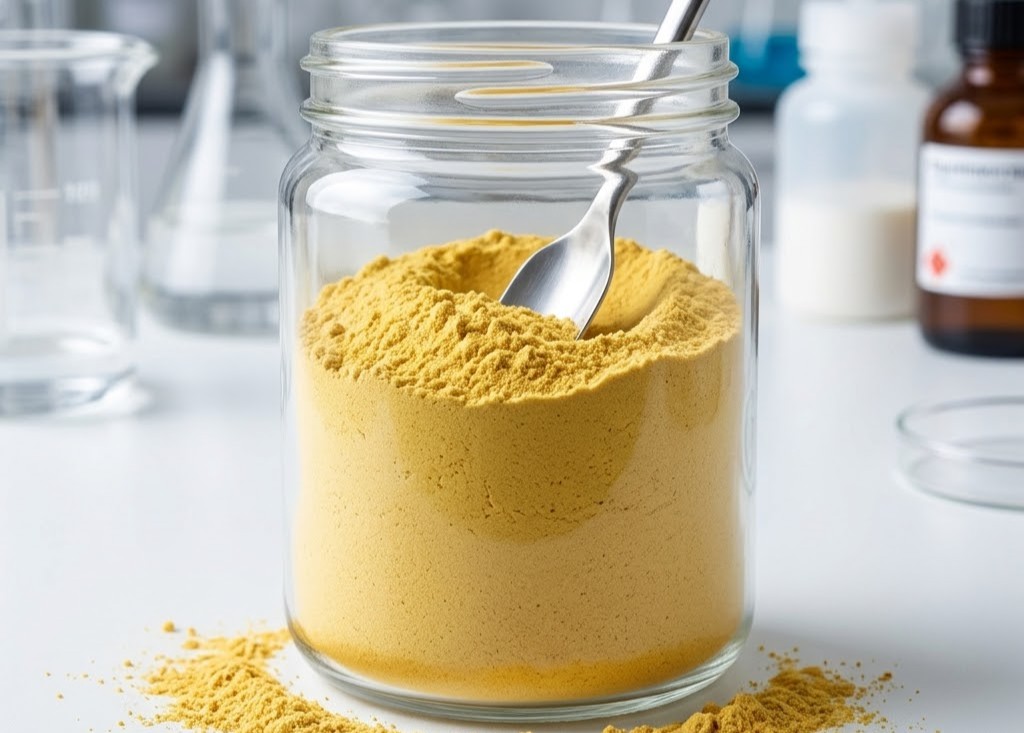
Sodium Dibutyl Naphthalene Sulfonate (SDNS) is a highly versatile, high-performance anionic surfactant. Synthesized from naphthalene (a polycyclic aromatic hydrocarbon), it acts simultaneously as an elite wetting agent, dispersant, penetrant, and emulsifier.
1. Chemical Composition & Synthesis
SDNS is produced through a tightly controlled chemical synthesis process. Naphthalene is alkylated with butanol using oleum (fuming sulfuric acid), which acts as both a catalyst and sulfonating agent. The resulting product is then neutralized using sodium hydroxide (NaOH) or sodium carbonate to form the stable sodium salt.
- Chemical Formula: Approx. C₁₈H₂₃NaO₃S
- Molecular Weight: 342–360 g/mol (varies slightly based on the specific structural arrangement)
- Active Matter Options: Available as a dry powder/flake (high purity) or as a dark brown aqueous liquid solution (30–40% active matter).
2. Key Physical & Chemical Properties
SDNS is specifically engineered to withstand harsh manufacturing environments that would break down lesser surfactants.
| Property | Technical Specification | Industrial Benefit |
| pH Level | 7.0 – 10.5 (Aqueous solution) | Neutral to slightly alkaline, ensuring broad compatibility. |
| Thermal Stability | Stable up to 200°C (392°F) | Ideal for high-heat manufacturing processes like textile dyeing. |
| Hard Water Resistance | Exceptionally High | Does not deactivate in the presence of heavy Calcium (Ca²⁺) or Magnesium (Mg²⁺) ions. |
| Solubility | Highly soluble in water | Rapidly dissolves; critical micelle concentration (CMC) of 0.1–1 g/L. |
| Foaming Profile | Moderate | Produces less foam than lighter alkyl variants (like methyl derivatives), preventing machinery overflow. |
3. Core B2B Applications
- Textile Manufacturing: Serves as a primary penetrant and wetting agent during the refining, bleaching, and dyeing of cotton and polyester. It forces dyes deep into the fabric, ensuring uniform color uptake without severe streaking.
- Industrial Detergents & Cleaners: Acts as a powerful detergent booster. Its hard-water resistance allows it to effectively lift and emulsify heavy grease and dirt in municipal water systems.
- Leather Tanning: Used to evenly disperse tanning agents deep into animal hides, resulting in softer, more pliable leather.
- Oilfield Chemicals: Functions as a robust dispersant and emulsifier in drilling muds under extreme underground pressures.
4. Environmental & Safety Profile
- Toxicity: SDNS has a very low acute toxicity profile (LD50 in rats > 2,000 mg/kg, meaning a massive dose would be required to cause harm).
- Worker Safety: As an industrial chemical, prolonged exposure to the skin or eyes may cause mild irritation. Inhalation of the dry powder dust must be avoided. Facility personnel should always wear standard Personal Protective Equipment (PPE), including dust masks, safety goggles, and chemical-resistant gloves.
- Biodegradability & Persistence: While the hydrophilic sulfonate group is subject to microbial breakdown, the robust naphthalene core resists rapid degradation. Therefore, industrial wastewater must be treated properly to prevent long-term bioaccumulation in local ecosystems.
- Global Regulation: SDNS is classified as a low-to-moderate hazard under major international frameworks like the US EPA and European REACH. Ensure your facility follows all local handling and disposal guidelines.
5. Potential Limitations
While SDNS is incredibly versatile, procurement teams should note the following constraints:
- Cost of Compliance: Because the chemical requires careful wastewater treatment, the overall cost of utilizing SDNS may be higher in regions with extremely strict environmental discharge laws.
- Alternative Competition: For highly specialized niche applications, newer (but often more expensive) synthetic polycarboxylates or non-ionic dispersants may offer slight performance edges. However, SDNS remains the industry standard for its unbeatable balance of cost-efficiency and heavy-duty performance.
