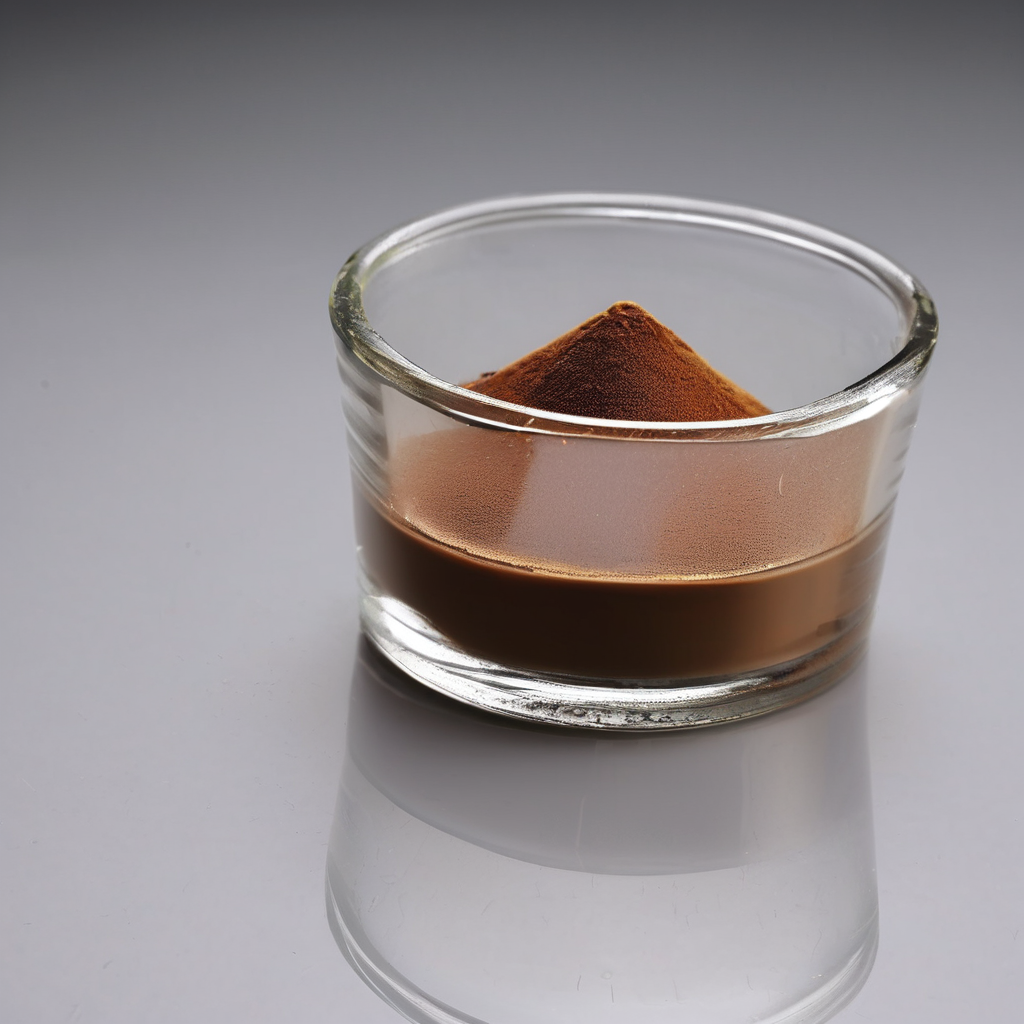
Sodium lignosulfonate is a commonly used dispersant, with the following key properties and applications:
- Chemical structure and properties:
- Sodium lignosulfonate is a water-soluble anionic polymer derived from the sulfonation of lignin, a byproduct of the paper and pulp industry.
- It contains sulfonate groups (-SO3-) that provide the dispersant and chelating properties.
- Sodium lignosulfonate has a high molecular weight and exhibits surface-active characteristics.
- Dispersant properties:
- Sodium lignosulfonate acts as an effective dispersant by adsorbing onto the surfaces of suspended particles or emulsified droplets.
- This adsorption creates electrostatic and steric repulsion, preventing the particles or droplets from agglomerating and promoting stable dispersions.
- Advantages of sodium lignosulfonate as a dispersant:
- Biodegradable and environmentally friendly nature, making it a sustainable option.
- Compatibility with a wide range of materials and formulations.
- Ability to chelate and complex with metal ions, enhancing its performance in various applications.
- Cost-effectiveness compared to synthetic dispersants in many cases.
- Considerations and limitations:
- Effectiveness may be pH-dependent, requiring optimization for specific applications.
- Potential interactions with other chemicals in the formulation, which should be carefully evaluated.
- Potential foaming characteristics, which may need to be managed in certain applications.
Sodium lignosulfonate has become a widely used and versatile dispersant due to its favorable properties, cost-effectiveness, and environmental-friendly nature, making it a preferred choice in various industries and applications.
