
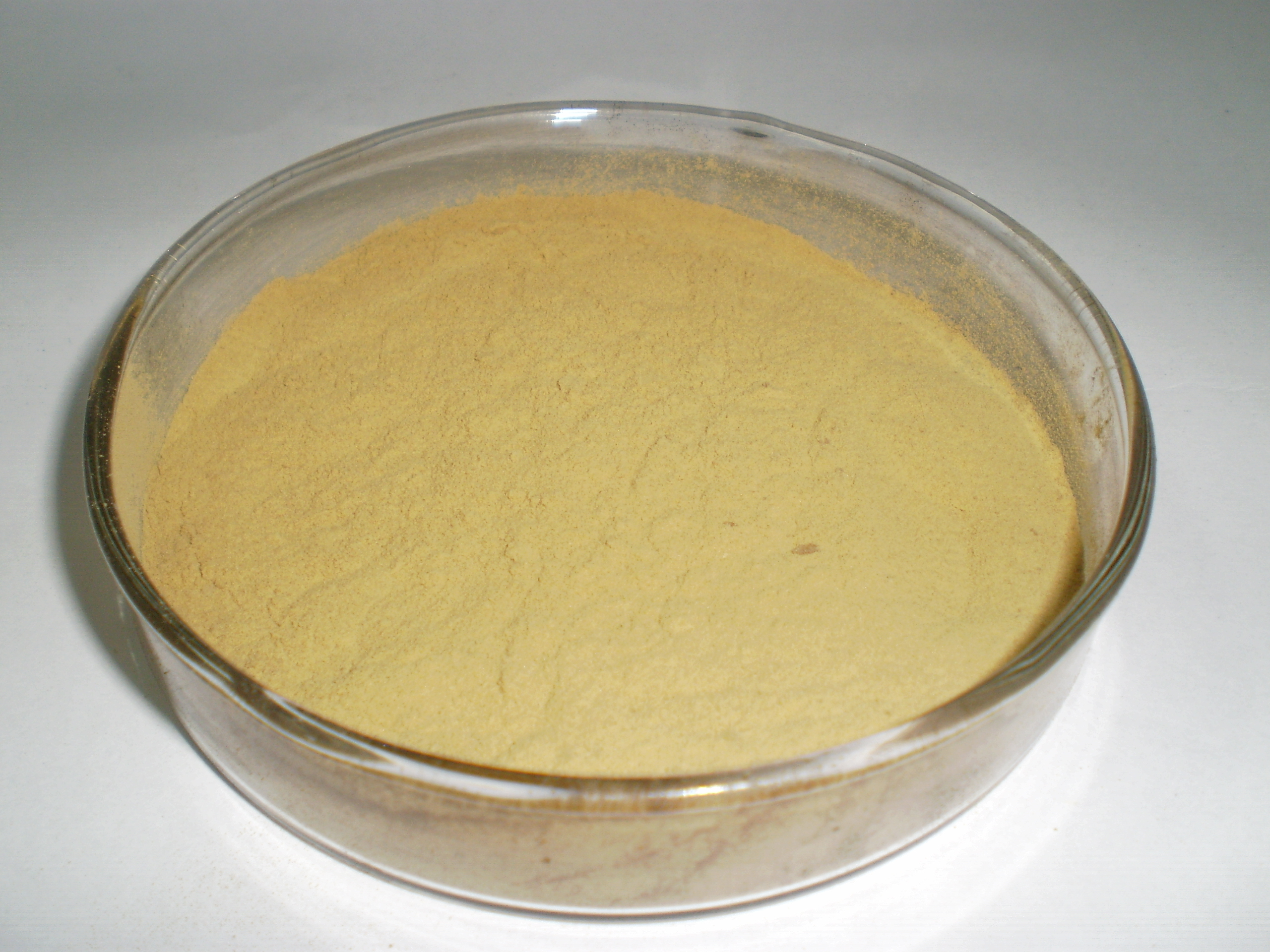
Calcium lignosulfonate is an anionic polymer that carries calcium as its counter-ion. That combination explains most of its interactions with other chemicals: it pairs with positively charged substances, its calcium can react with certain anions, and its sulfonate and phenolic groups bind metal ions. This page lists the interactions that matter in practice and how to check them.
Main interactions and what to test
| Combined with | Possible interaction | What to check |
|---|---|---|
| Cement and other concrete admixtures (polycarboxylate, naphthalene superplasticizers, air entrainers) | Lignosulfonates retard setting and can entrain air; combined admixtures may change slump retention and setting | Setting time, slump over time, air content and strength with the full admixture package |
| Cationic substances (cationic surfactants, cationic polymers, some biocides) | Opposite charges can form insoluble complexes and precipitate | Jar test for haze or sediment; performance of both components |
| Sulfates, phosphates, carbonates, fatty-acid soaps | Calcium can form poorly soluble salts such as gypsum or calcium phosphate | Clarity and sediment after mixing and on storage; consider a sodium grade |
| Metal ions (iron, zinc, manganese, copper) | Lignosulfonate binds metal ions; this is used on purpose in micronutrient products | Solubility and stability at the working pH |
| Strong oxidising agents | Oxidation of the organic polymer | Keep apart in storage, as stated in the MSDS |
| Strong acids and bases | pH changes can alter solubility and performance | Performance at the actual process pH |
Calcium versus sodium grade
If calcium causes a problem — for example precipitation with phosphate fertilizers or flocculation in a pesticide suspension — a sodium lignosulfonate with low calcium and magnesium is usually the first alternative to test. See sodium vs calcium lignosulfonate.
How to run a compatibility test
- Prepare the lignosulfonate solution at the working concentration in the actual process water.
- Add the other components in the plant order of addition.
- Check for haze, sediment, foam, viscosity change and pH drift immediately and after storage at the expected temperature.
- Measure the performance that matters (setting time, dispersion, binding strength) against a control.
Earlier versions of this page discussed water-treatment, disinfectant and membrane interactions. We have no product data for those uses and have removed the statements; if you are evaluating calcium lignosulfonate in water treatment, test it under your own conditions.
Grade data and MSDS: calcium lignosulfonate product page.
Frequently Asked Questions
Is calcium lignosulfonate compatible with superplasticizers?
It is often combined with naphthalene or polycarboxylate superplasticizers, but it retards setting and can entrain air, so the full admixture package must be tested for setting, slump retention and air content.
Why does calcium lignosulfonate precipitate with some chemicals?
As an anionic polymer it can form insoluble complexes with cationic substances, and its calcium can form poorly soluble salts with sulfates, phosphates or soaps.
What should calcium lignosulfonate not be stored with?
Keep it away from strong oxidising agents and store it dry, as stated in the MSDS.
