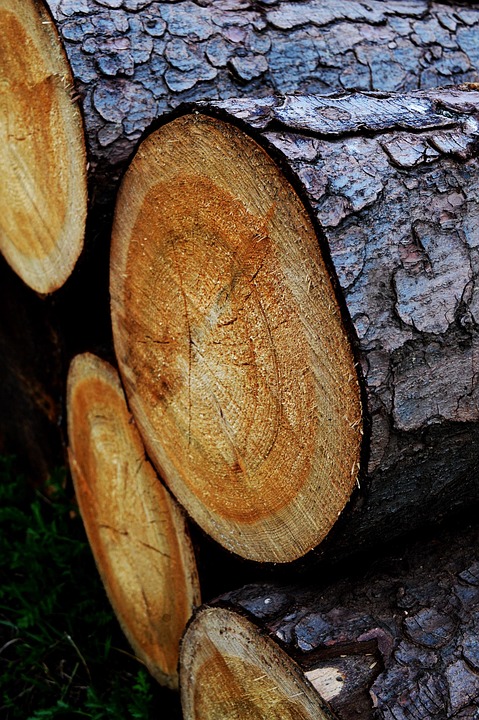
A lignosulfonate solution is a water-based mixture containing lignosulfonates, which are complex, water-soluble polymers derived from lignin—a naturally occurring substance in the cell walls of plants, particularly wood. Lignosulfonates are typically obtained as a byproduct of the sulfite pulping process used in the paper industry, where lignin is chemically modified by adding sulfonic acid groups. This modification, known as sulfonation, makes lignosulfonates highly soluble in water, unlike raw lignin, which is insoluble. The resulting solution is a versatile, eco-friendly material used across a wide range of industries due to its unique chemical and physical properties.
Production Process
Lignosulfonates are produced during the sulfite pulping process, where wood chips are treated with sulfite or bisulfite compounds to break down lignin and separate it from cellulose fibers. The lignin reacts with sulfur compounds, forming lignosulfonates, which are then dissolved into a liquid solution. This solution can be further processed to achieve desired concentrations, pH levels, or purities depending on the intended application. The byproduct nature of lignosulfonates makes their production cost-effective and environmentally beneficial, as it repurposes waste from the pulp and paper industry.
Chemical and Physical Properties
Lignosulfonate solutions have several notable characteristics that contribute to their widespread use:
- Water Solubility: The addition of sulfonic acid groups makes lignosulfonates highly soluble in water, allowing them to form stable solutions.
- Surfactant Properties: They act as surfactants, reducing the surface tension of liquids, which makes them effective as dispersants and emulsifiers in various mixtures.
- Acidic Nature: Due to the presence of sulfonic acid groups, lignosulfonate solutions are naturally acidic, though they can be neutralized or adjusted for specific uses.
- Viscosity and Concentration: The viscosity and concentration of the solution can vary, typically ranging from dilute solutions for dispersant applications to more concentrated forms for binding purposes.
- Biodegradability: Derived from natural lignin, lignosulfonates are biodegradable and non-toxic, making them environmentally friendly.
Applications
Lignosulfonate solutions are employed in a variety of industries due to their versatility and cost-effectiveness:
- Construction Industry:
- Concrete Admixtures: Lignosulfonates are widely used as water-reducing agents (plasticizers) in concrete production. They improve the workability of concrete mixes, reduce the amount of water needed, and enhance the strength and durability of the final product. This leads to cost savings and improved performance in construction projects.
- Cement Grinding Aid: They are used in cement manufacturing to improve grinding efficiency and reduce energy consumption.
- Industrial Applications:
- Dyes and Pigments: Lignosulfonates are used as dispersants in the production of dyes, inks, and pigments, preventing particle aggregation and ensuring uniform color distribution.
- Ceramics: They act as binders in ceramic production, improving the strength of green (unfired) ceramic products and reducing defects during manufacturing.
- Dust Control: Lignosulfonate solutions are applied to unpaved roads and construction sites to suppress dust by binding loose soil particles, improving air quality and safety.
- Oil and Gas Industry:
- In drilling operations, lignosulfonates are used as additives in drilling muds to control viscosity, reduce fluid loss, and stabilize shale formations.
- Other Uses:
- Carbon Black Production: They serve as dispersants in the production of carbon black, used in tires and other rubber products.
- Leather Tanning: Lignosulfonates are used in the leather industry to improve the tanning process and enhance leather quality.
Environmental and Economic Benefits
Lignosulfonate solutions are highly valued for their sustainability. As a byproduct of the paper industry, their production reduces waste and makes use of a renewable resource—wood. They are biodegradable, non-toxic, and environmentally safe, making them a greener alternative to synthetic chemicals in many applications. Additionally, their low cost and availability in large quantities make them economically attractive for industrial use.
Challenges and Considerations
While lignosulfonate solutions are versatile, there are some limitations to consider:
- Variability: The composition of lignosulfonates can vary depending on the type of wood and pulping process used, which may affect consistency in certain applications.
- Performance Limits: In some high-performance applications (e.g., high-strength concrete), lignosulfonates may be less effective than newer, synthetic superplasticizers.
- pH Sensitivity: Their acidic nature may require pH adjustment for compatibility with certain materials or processes.
