Calcium lignosulfonate properties make it useful as a dispersant, binder and water-reducing additive for concrete, dust control, briquetting, ceramics and other industrial formulations. This page lists the main properties, with values from our data sheets, and shows which property is behind each use. For grades and documents, visit the calcium lignosulfonate product page.
What calcium lignosulfonate is
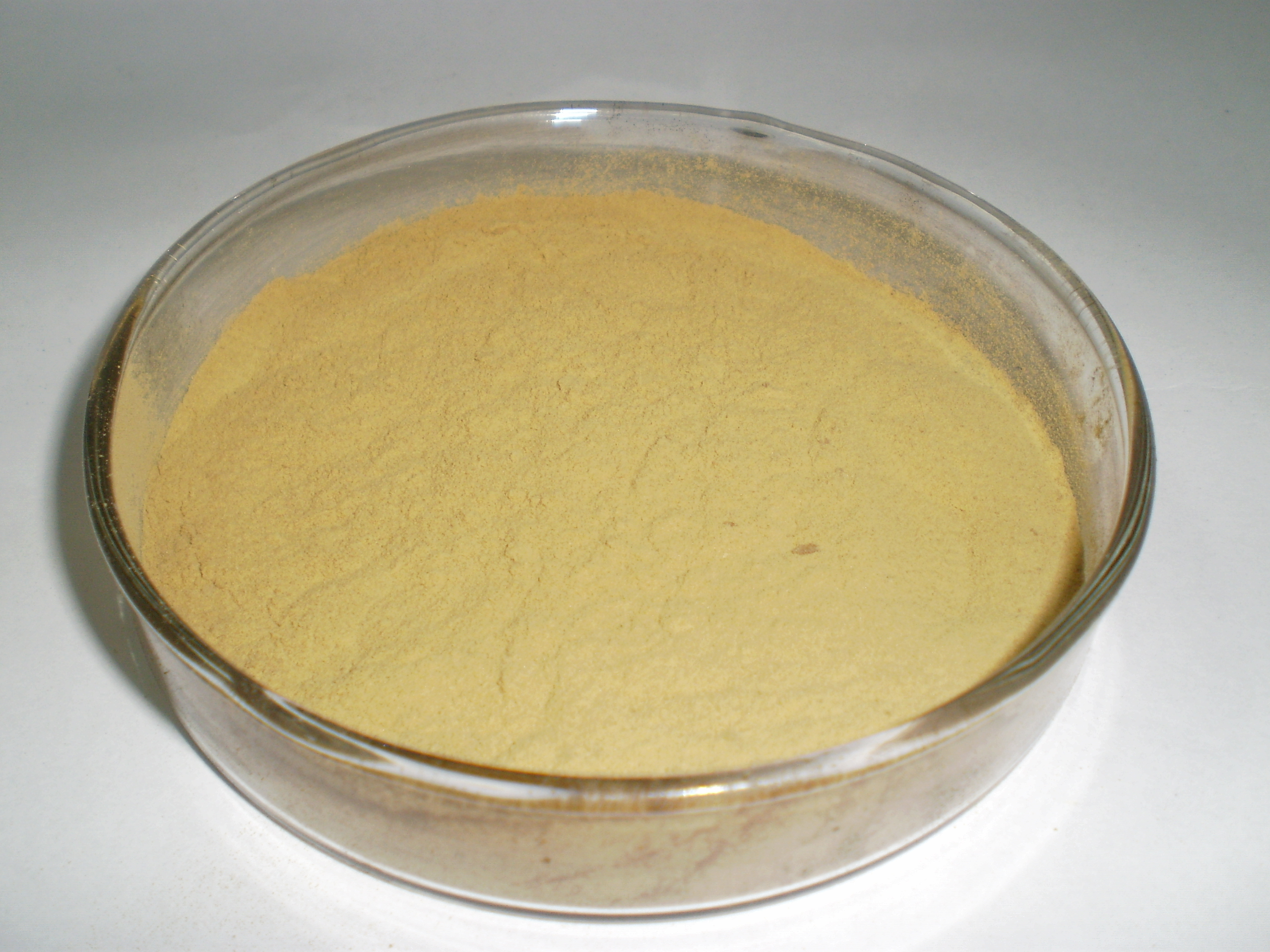
Calcium lignosulfonate (CAS 8061-52-7) is the calcium salt of lignosulfonic acid, recovered from the sulfite pulping of wood. It is a multi-component anionic polymer — sometimes called an anionic surfactant — supplied as a light yellow-brown to dark brown powder that dissolves in water. Its sulfonate, carboxyl and phenolic groups give it dispersing, binding and metal-chelating properties.
Main properties (from our TDS)
| Property | Grade One (GAC-CaLS-1) | Grade Two (GAC-CaLS-2) | Grade Three (GAC-CaLS-3) |
|---|---|---|---|
| Appearance | Light yellow-brown powder | Dark brown powder | Yellow-brown powder |
| Lignosulfonate content (dry basis) | 55% min | 50% min | 50% min |
| Dry matter / moisture | 95% min / 5% max | 95% min / 5% max | 95% min / 5% max |
| Water-insoluble matter | 1.5% max | 2% max | 0.5% max |
| pH | Not stated | 7 – 9 (10% solution) | Around 6 |
| Total calcium & magnesium | 5 – 8% | 5 – 8% | 5 – 6% |
| Reducing sugar / matter | Around 7% | Around 7% | Reducing matter 18 – 20% |
From property to use
| Property | What it does | Uses |
|---|---|---|
| Dispersion (anionic charge on particles) | Keeps fine particles apart and lowers slurry viscosity | Concrete water reducer, ceramic slips, pigments, drilling mud |
| Binding (film between particles on drying) | Holds fines together | dust control, ore and coal briquettes, ceramic green strength, foundry sand |
| Set retardation (sugars and adsorption on cement) | Delays cement hydration | Ready-mix concrete in hot weather, oil-well cement |
| Metal chelation | Keeps metal ions in solution | Micronutrient fertilizers, battery expanders |
Earlier versions of this page gave fixed performance figures, such as large yield increases and shorter sintering times in ceramics. They were not from our own tests and have been removed; performance must be measured in each application. One earlier point remains valid: in the United States, 21 CFR 573.600 permits lignin sulfonates in animal feed, for example up to 4% of finished pellets as a pelleting aid.
Frequently Asked Questions
What are the main properties of calcium lignosulfonate?
It is a water-soluble anionic polymer with dispersing, binding, set-retarding and metal-chelating properties, supplied as a yellow-brown to dark brown powder.
What is calcium lignosulfonate used for?
Main industrial uses are concrete water reduction, dust control, ore and coal briquetting, ceramics and refractories, drilling fluids, foundry binders and battery expanders.
Is calcium lignosulfonate soluble in water?
Yes. The powder dissolves in water; water-insoluble matter on our TDS is 0.5 – 2% max depending on the grade.
