There are two basic ways to extract lignin from wood: dissolve everything except the lignin and filter it off, or dissolve the lignin and leave the cellulose behind. The first is used mainly in laboratories to measure lignin; the second is how pulp mills and biorefineries recover it on a large scale.
Two Methods to Extract Lignin
| Approach | How it works | Examples | Lignin obtained |
|---|---|---|---|
| Lignin as the insoluble residue | Strong acid hydrolyses cellulose and hemicellulose to sugars; lignin remains as a solid | 72% sulfuric acid (Klason method), 42% hydrochloric acid, acid hydrolysis of wood | Acid-insoluble (Klason) lignin, hydrolysis lignin |
| Lignin as the dissolved fraction | Chemicals dissolve the lignin; cellulose fibres stay solid and are filtered out | Kraft, soda, sulfite and organosolv pulping | Kraft lignin, soda lignin, lignosulfonate, organosolv lignin |
How to Extract Lignin From Wood in a Laboratory
- Grind the wood and extract resins and waxes with a solvent.
- Treat with 72% sulfuric acid at room temperature to dissolve the carbohydrates.
- Dilute with water and boil to complete hydrolysis.
- Filter, wash and dry the solid residue: this is Klason lignin.
- Weigh it to calculate the lignin content of the wood.
This method measures lignin but changes its structure, so the residue is not used as a product.
How Lignin Is Removed From Wood in Industry
| Process | Cooking chemicals | How lignin is recovered |
|---|---|---|
| Kraft | Sodium hydroxide and sodium sulfide | Black liquor is acidified (often with carbon dioxide) so lignin precipitates; it is filtered, washed and dried |
| Sulfite | Bisulfite of calcium, magnesium, sodium or ammonium, at about 130 – 140 °C | Lignin dissolves as water-soluble lignosulfonate; the spent liquor is concentrated and dried |
| Soda | Sodium hydroxide (often for straw) | Acid precipitation from the black liquor |
| Organosolv | Organic solvents such as ethanol, with water | Lignin precipitates when the solvent is diluted or removed |
Which Method Should You Choose?
- To measure lignin in a sample: acid hydrolysis (Klason).
- To obtain lignin as a product: precipitation from kraft or soda black liquor.
- To obtain a water-soluble lignin product: sulfite pulping (lignosulfonate).
- To obtain low-sulfur lignin for research: organosolv.
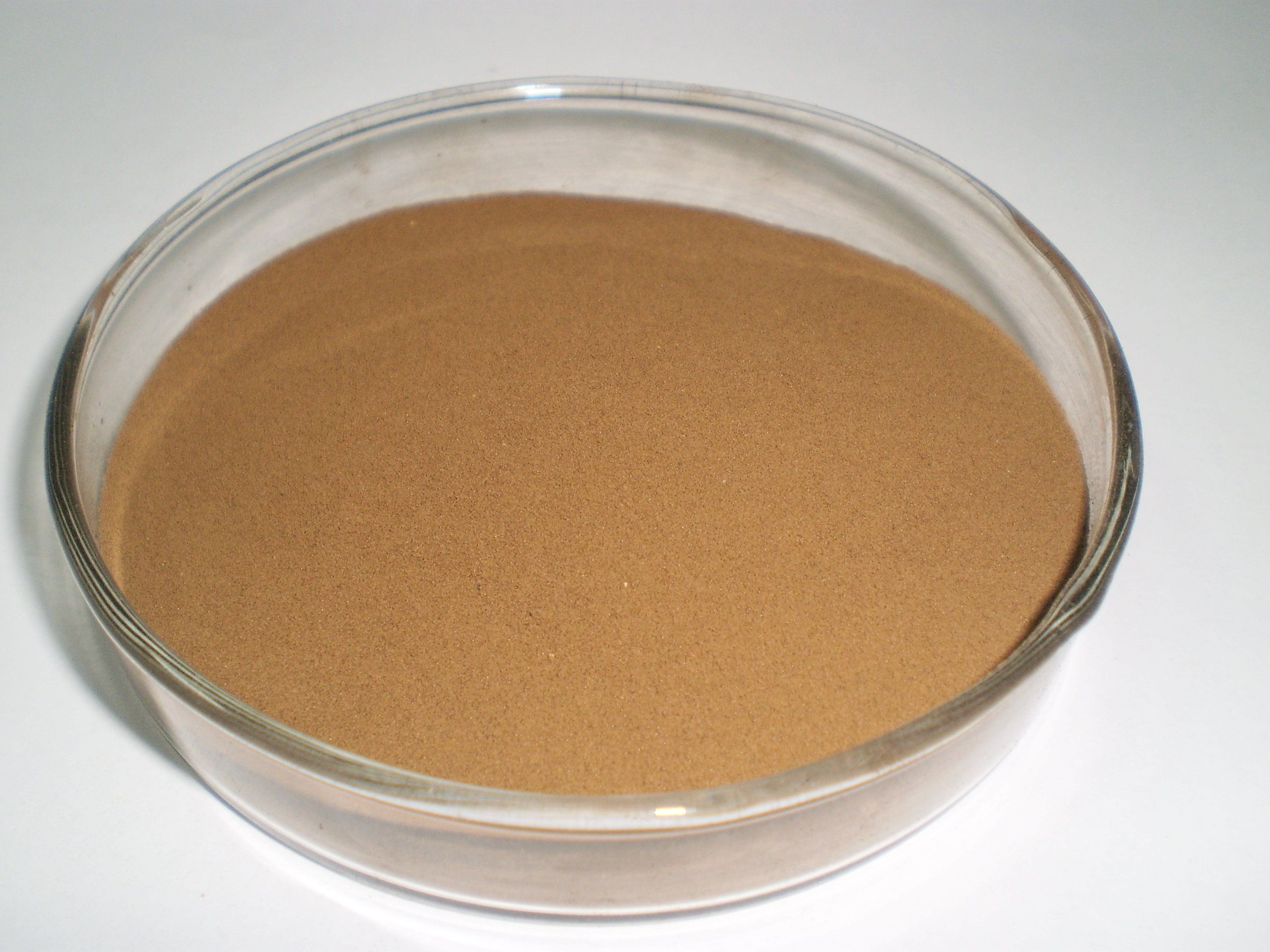
For an overview of all routes, see lignin extraction methods; for purification, see how to produce pure lignin. Our lignin is a black powder that does not dissolve in water: lignin product page.
Frequently Asked Questions
How do you extract lignin from wood?
Either dissolve the carbohydrates with strong acid and keep lignin as the residue, or dissolve the lignin by pulping and recover it by precipitation.
How is lignin removed from wood in papermaking?
By kraft, sulfite or soda pulping, which dissolve the lignin and leave the cellulose fibres.
What is Klason lignin?
The lignin left after treating wood with 72% sulfuric acid; it is used to measure lignin content.
Is extracted lignin soluble in water?
No. Lignin does not dissolve in water; lignosulfonate from sulfite pulping does.
