
SNF Superplasticizer
-
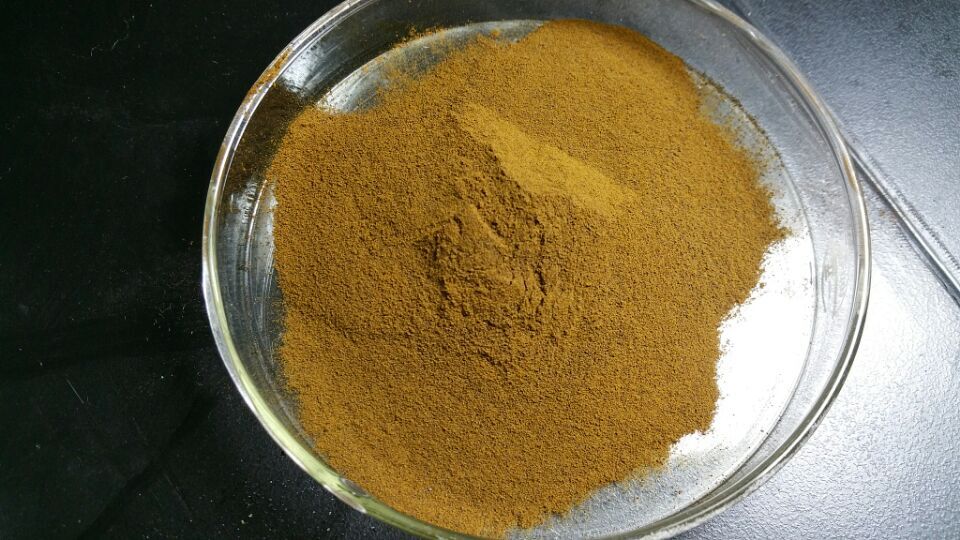
How Sodium Lignosulfonate Is Made from Sulfite Pulp Liquor
.
Lignin content is usually 70%–75%, with the remaining mass being carbohydrate, ash, and inorganic salts. Further commercial and biorefinery utilization requires the removal of…
-

Lignin and sulfonated lignin
.
Lignin is the largest reservoir of aromatic compounds on earth and has great potential to be used in many industrial applications. Alternative methods to…
-
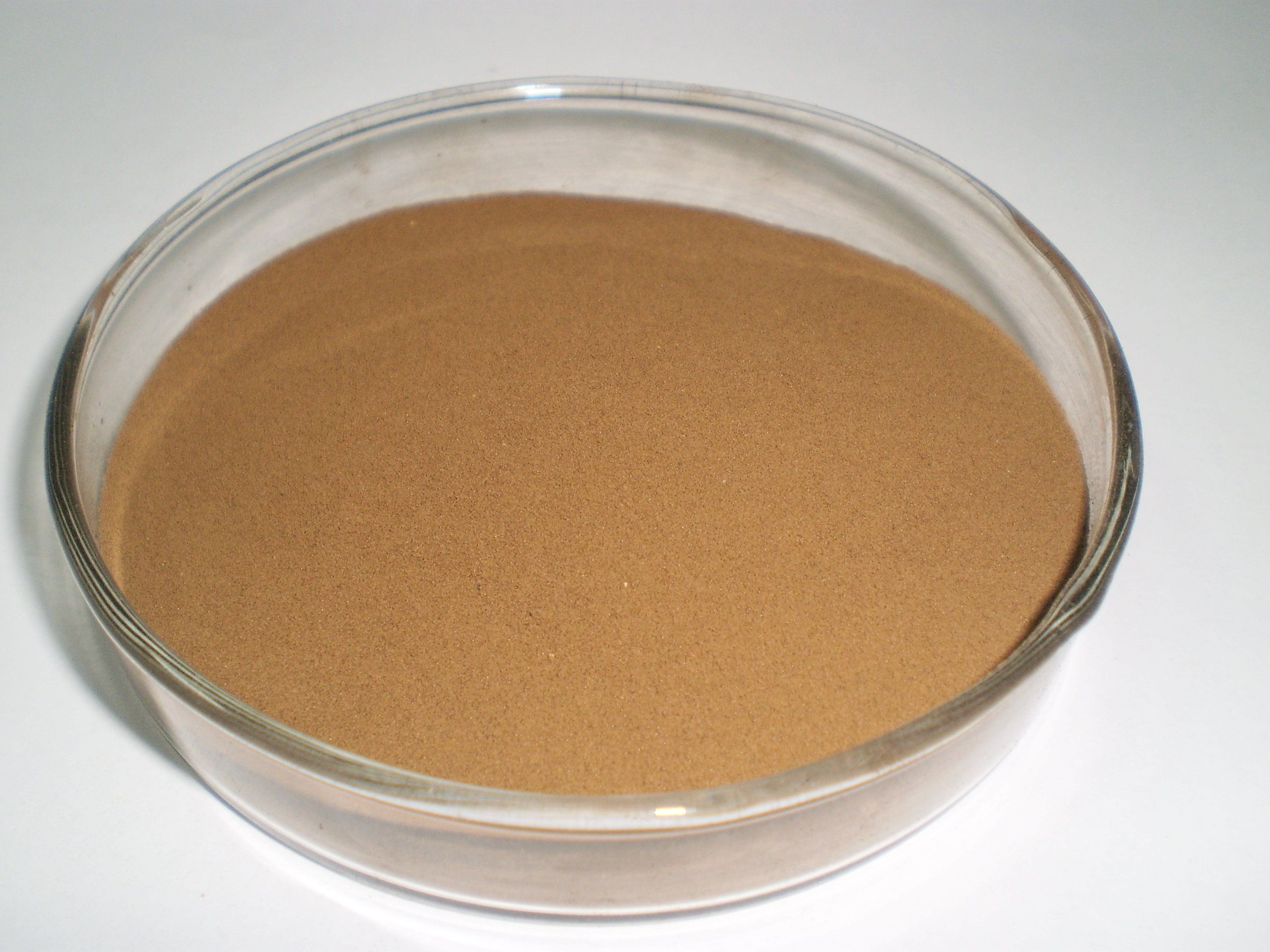
Sodium Lignosulfonate Water-Reducing Agent
.
Sodium lignosulfonate water-reducing agent by using pulping black liquor, which has the following preparation technological steps: after the thin pulping black liquor is concentrated…
-
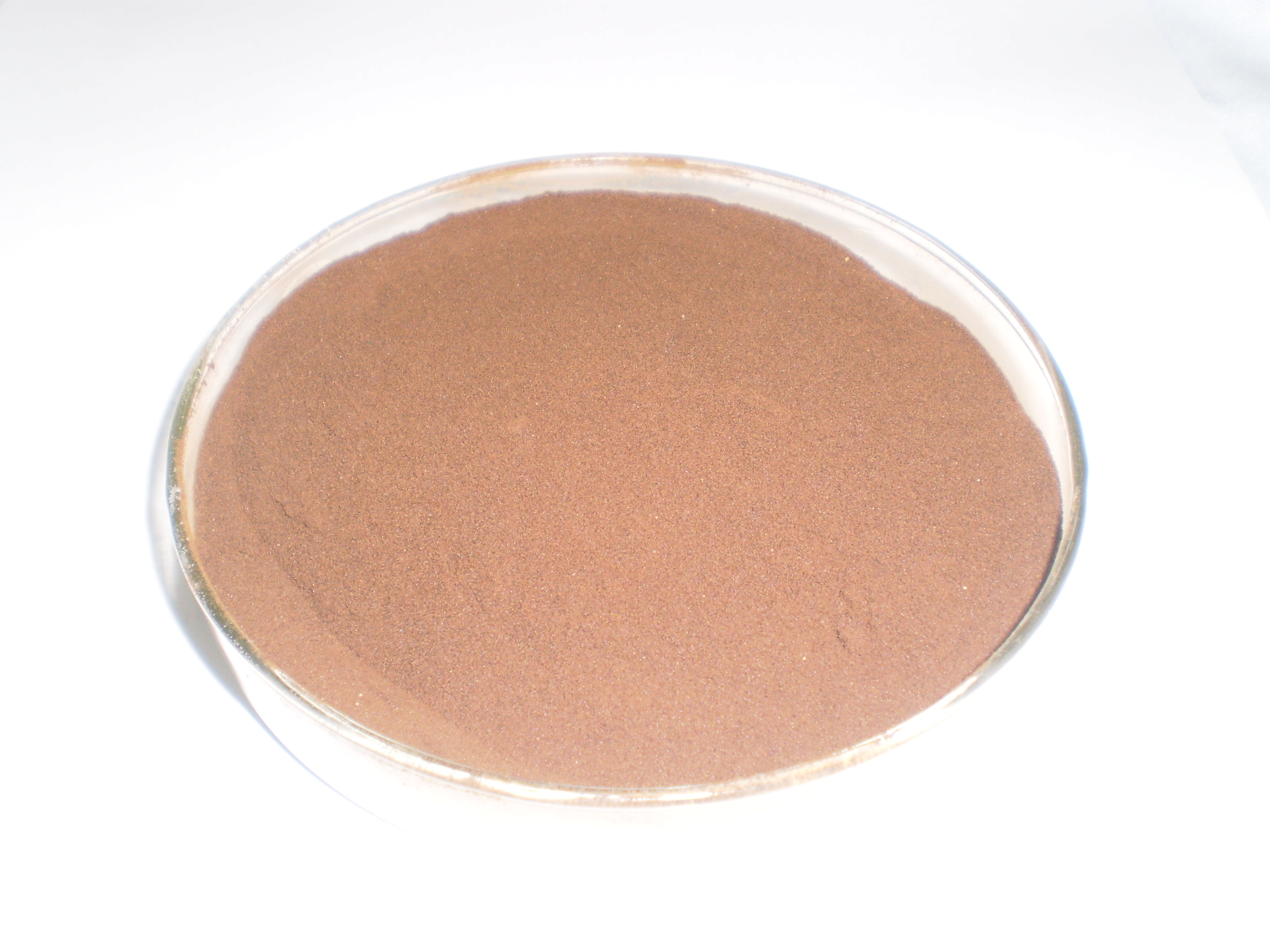
Lignin and Lignosulfonate Relation
.
Lignin is the largest reservoir of aromatic compounds on earth and has great potential to be used in many industrial applications. Alternative methods to…
-
Lignosulfonate function to construction admixture
.
Compressive strength The compression strength characterized using a manual device and a more sophisticated device showed different results even though the trend is similar…
-

Lignosulfonate used in construction
.
Sodium lignosulfonate s having perfect technical characteristics are commonly used in construction. The main advantage of this unique product is that it is eco-friendly…
-
Lignosulfonate or Lignosulphonate? Names, Synonyms and HS Code
.
Lignosulfonate (Lignosulphonate) are obtained from sulfite pulping processes wherein cellulose is extracted from wood in the pulp industry. The so-called sulfite pulping process involves…
-
Lignosulfonate in Building Materials: Gypsum Board, Cement and Bricks
.
Lignosulfonate for Building and Construction Applications,Lignosulfonates are obtained from sulfite pulping processes wherein cellulose is extracted from wood in the pulp industry. The so-called…
-
Lignosulfonate and Lignosulphonate Industrial Applications
.
Lignosulfonate(lignosulphonate) (often abbreviated as LS) were one of the first dispersants added as an admixture to concrete. Lignosulfonate s have been used since the…
.